
Ever wondered how to create those irresistibly creamy, perfectly seasoned appetizers that disappear first at every gathering? This classic deviled eggs recipe transforms ordinary hard-boiled eggs into elegant, flavor-packed bites that will impress your guests every time. Making deviled eggs at home allows you to customize the flavors to your preference while avoiding the preservatives often found in store-bought versions. Plus, learning how to make appetizers like these from scratch gives you a versatile dish perfect for everything from holiday celebrations to casual brunches.
Ingredients & Kitchen Tools
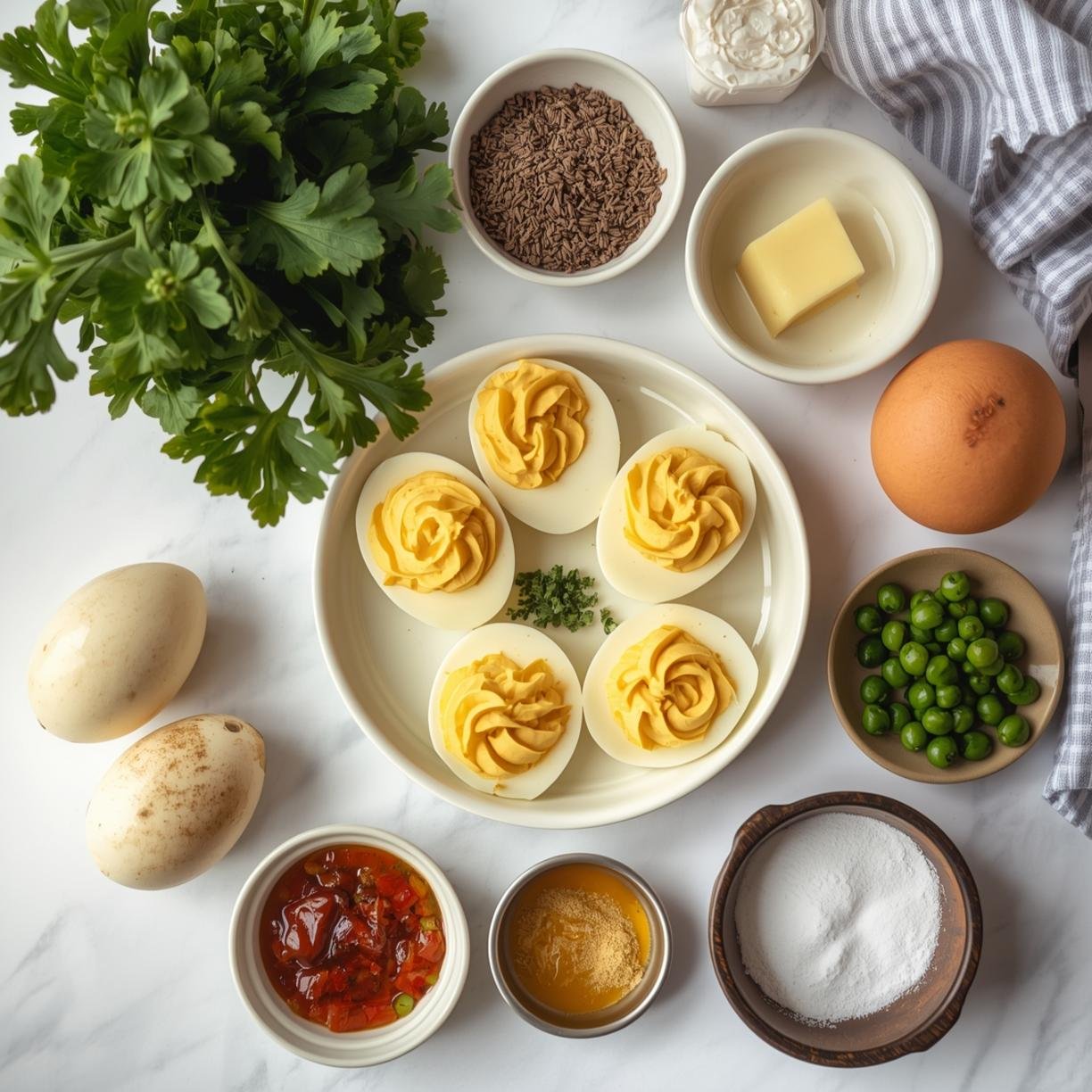
For the Eggs:
– 12 large eggs
– ¼ cup mayonnaise
– 2 teaspoons Dijon mustard
– 2 teaspoons white vinegar or pickle juice
– ¼ teaspoon salt (or to taste)
– Freshly ground black pepper
– Paprika for garnish
Optional Add-ins:
– 1-2 tablespoons finely chopped chives or green onions
– ½ teaspoon hot sauce
– ¼ teaspoon garlic powder
– 1 tablespoon sweet pickle relish
– 2 tablespoons finely diced celery for crunch
– Crispy bacon bits for topping
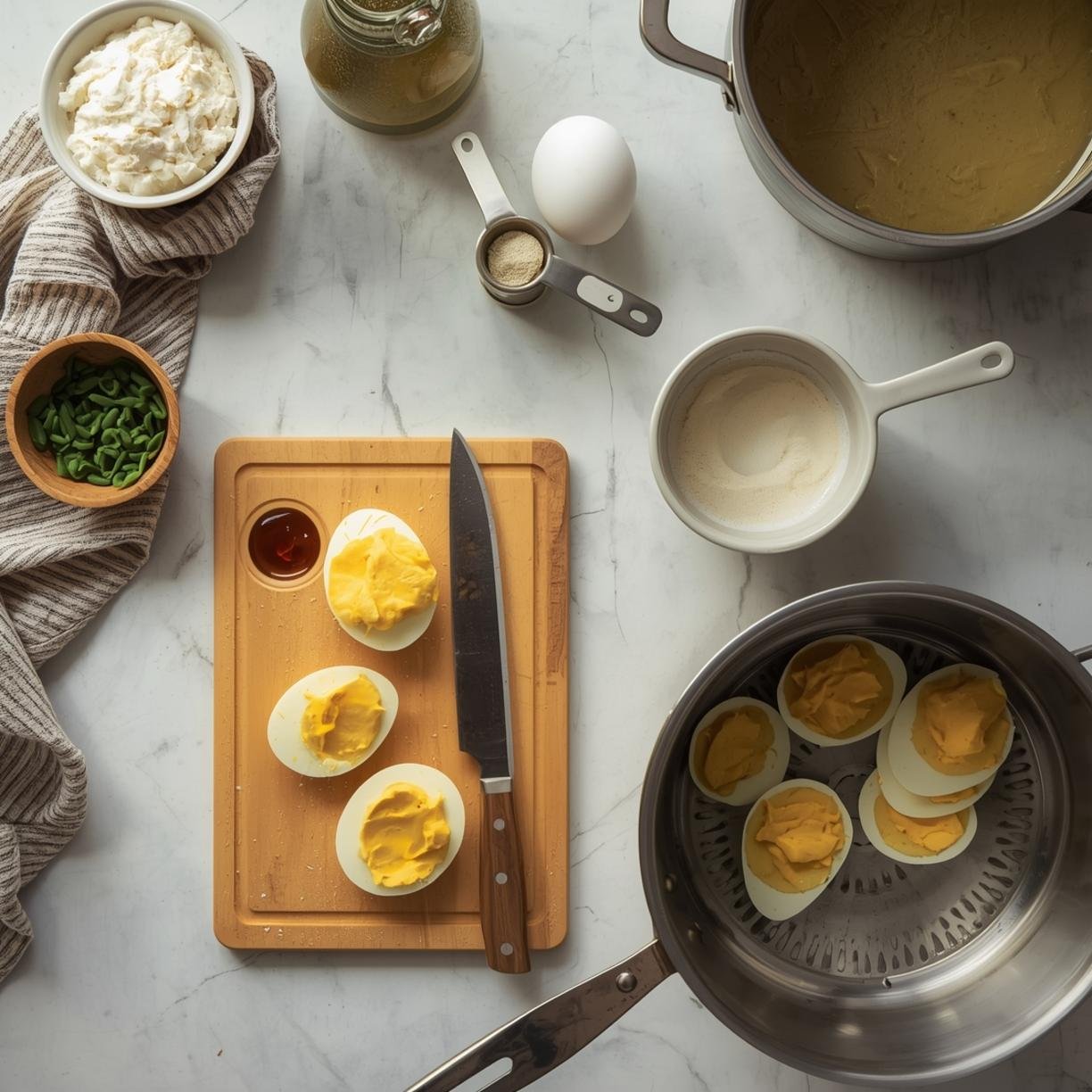
Kitchen Tools:
– Large pot for boiling eggs
– Slotted spoon
– Ice bath (bowl with ice water)
– Sharp knife
– Cutting board
– Small bowl for mixing filling
– Piping bag with star tip (optional)
– Teaspoon (if not using piping bag)
– Egg plate or serving platter
Preparation & Cooking Time
– Preparation time: 15 minutes
– Cooking time: 12 minutes
– Cooling time: 15 minutes
– Assembly time: 15 minutes
– Total time: 45-60 minutes
This beginner-friendly recipe is perfect for make-ahead situations. You can boil the eggs a day before and assemble just hours before serving, making it ideal for busy hosts who want to impress without the last-minute rush.
Step-by-Step Instructions
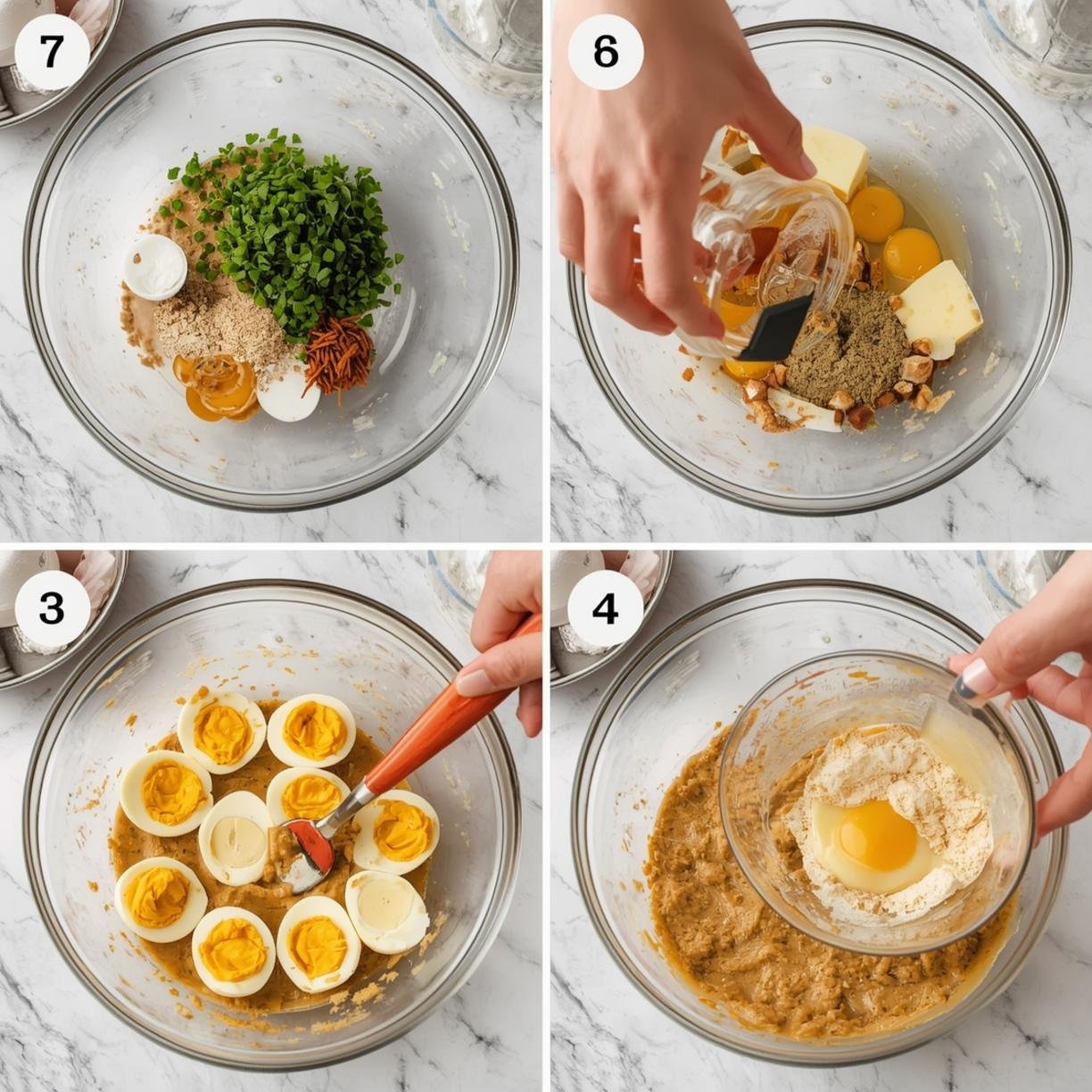
1. Perfect Hard-Boiled Eggs: Place eggs in a single layer in a large pot and cover with cold water by 1 inch. Bring to a rolling boil over medium-high heat, then remove from heat, cover, and let sit for exactly 12 minutes.
2. Ice Bath Cooling: Immediately transfer eggs to an ice bath to stop the cooking process. This prevents that grayish ring around the yolk and makes peeling much easier.
3. Peeling Technique: Gently tap each egg on a hard surface and roll it under your palm to crack the shell all over. Start peeling from the wider end where the air pocket is located for easier removal.
4. Egg Preparation: Slice each peeled egg in half lengthwise. Carefully remove the yolks and place them in a small bowl.
5. Create the Filling: Mash the yolks with a fork until smooth. Add mayonnaise, mustard, vinegar, salt, and pepper. Mix until creamy and completely combined.
6. Assembly: Using either a piping bag or a small spoon, fill each egg white half with the yolk mixture. For an elegant appetizers presentation, use a star-tipped piping bag.
7. Garnish: Sprinkle lightly with paprika and add optional toppings like chives, bacon bits, or a small caper on each deviled eggs recipe half.
Nutritional Benefits / Advantages
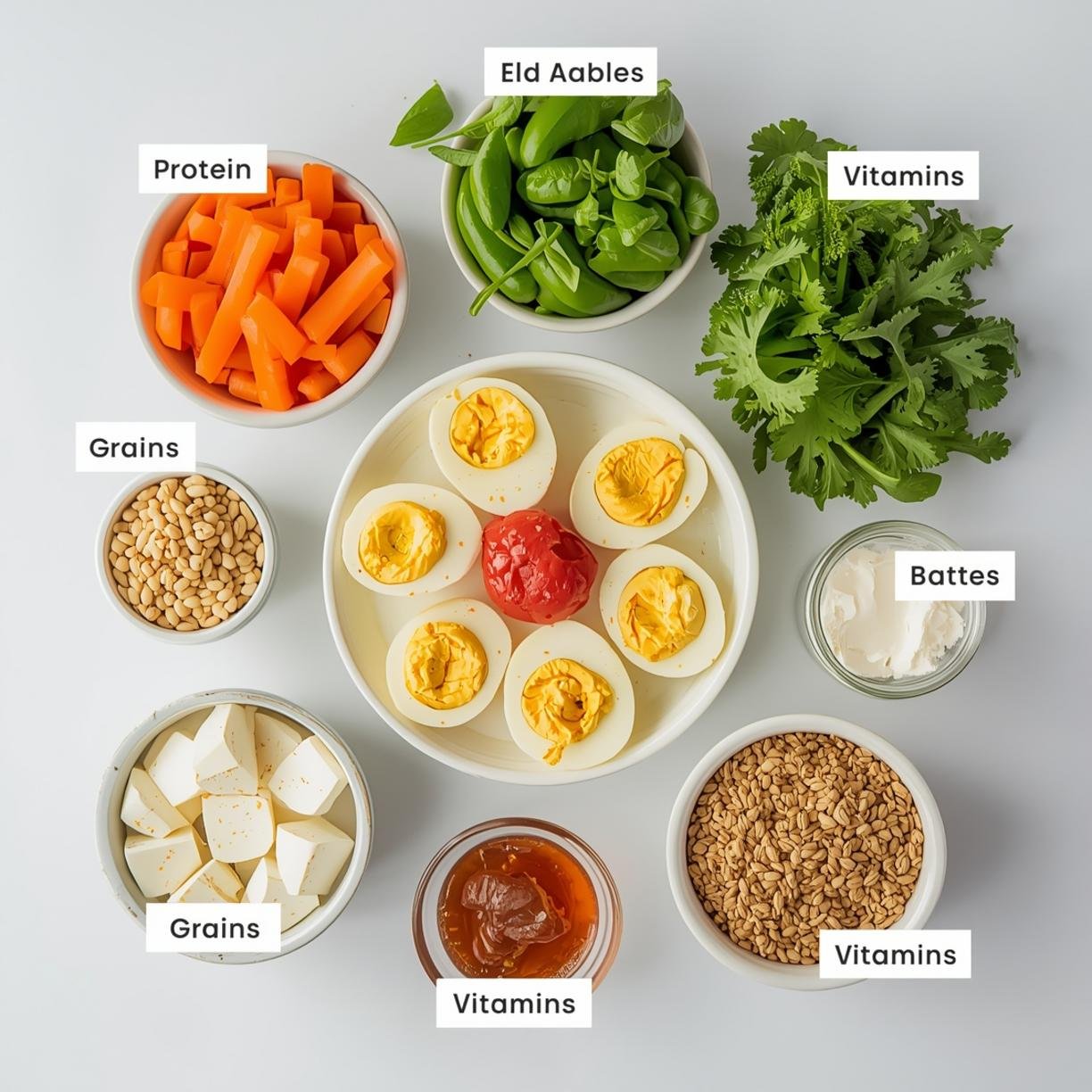
Deviled eggs are more than just delicious – they’re nutritionally valuable too:
– High-Quality Protein: Each egg provides approximately 6 grams of complete protein.
– Brain Health: Eggs contain choline, essential for brain function and development.
– Nutrient-Dense: Rich in vitamins B12, D, and E, plus minerals like selenium and zinc.
– Low-Carb Option: Perfect for keto and low-carb dieters looking for satisfying appetizers.
– Customizable: Can be made healthier by using Greek yogurt instead of mayonnaise.
Tips, Variations, or Cooking Advice
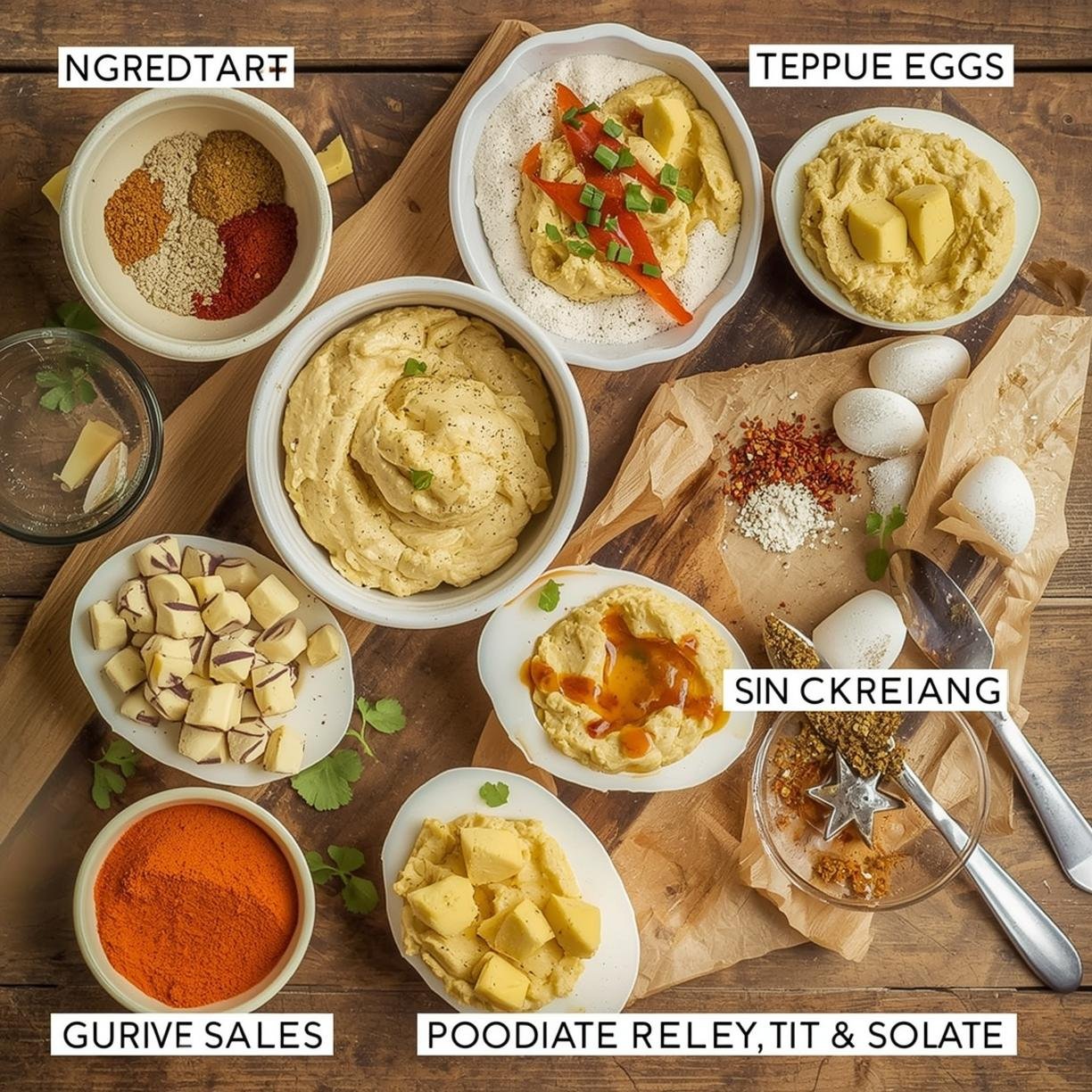
Creative Variations:
– Guacamole Deviled Eggs: Add mashed avocado to the filling
– Mediterranean Style: Mix in feta cheese, olives, and sun-dried tomatoes
– Smoked Salmon: Fold in small pieces of smoked salmon and fresh dill
– Buffalo Style: Add buffalo sauce and top with blue cheese crumbles
Pro Tips:
– Use eggs that are 7-10 days old for easier peeling
– Room temperature eggs crack less during cooking
– For extra-smooth filling, push the yolk mixture through a fine-mesh sieve
Common Mistakes to Avoid

1. Overcooking the Eggs: Results in rubbery whites and greenish yolks. Stick to the 12-minute method.
2. Not Cooling Properly: Skipping the ice bath makes eggs harder to peel and less visually appealing.
3. Too Wet Filling: Adding too much mayonnaise creates a runny mixture. Start with less and add more if needed.
4. Under-Seasoning: Always taste the filling before filling the eggs, as cold foods need slightly more seasoning.
5. Rough Handling: Tearing the egg whites makes for messy presentation. Use gentle pressure when removing yolks.
Storage & Reheating Tips
Properly stored deviled eggs can be made ahead of time:
– Store assembled eggs in an airtight container in the refrigerator for up to 2 days
– For longer preparation, store the egg white halves and filling separately for up to 3 days
– Never freeze deviled eggs as they become watery and rubbery when thawed
– Bring to room temperature for 15-20 minutes before serving for best flavor
Conclusion
Mastering this classic deviled eggs recipe gives you a timeless, crowd-pleasing dish that’s as versatile as it is delicious. Whether you stick to the traditional preparation or experiment with creative variations, these protein-packed appetizers deserve a place in your cooking repertoire. With these tips and techniques, you’ll be able to create perfect deviled eggs every time – no special occasion required!
FAQs
Can I make deviled eggs ahead of time?
Yes, you can prepare them up to 24 hours in advance. Store in an airtight container in the refrigerator and add any garnishes just before serving.
How do I prevent the filling from becoming watery?
Ensure the egg yolks and whites are completely dry before mixing the filling. If your filling is too wet, add a bit more yolk or a sprinkle of unseasoned breadcrumbs to thicken.
What’s the best substitute for mayonnaise?
Greek yogurt, sour cream, or mashed avocado work well as mayo substitutes, though each will provide a slightly different flavor profile.
Why are my eggs difficult to peel?
Very fresh eggs are typically harder to peel. Using slightly older eggs (7-10 days old) and ensuring they go into an ice bath immediately after cooking helps significantly.
How can I tell if hard-boiled eggs are cooked properly without cracking them?
Spin the egg on a flat surface – a hard-boiled egg will spin easily, while an undercooked egg will wobble due to the liquid inside.