
Have you ever gazed in awe at those gorgeous, Instagram-worthy charcuterie boards and wondered if you could create such culinary art at home? Well, you absolutely can! Creating a delicious charcuterie board recipe doesn’t require professional culinary skills—just some thoughtful selection and artistic arrangement. Whether you’re hosting a dinner party or simply enjoying a sophisticated snack night, a well-crafted appetizer board elevates any gathering. Let’s dive into the art of charcuterie assembly that will impress your guests while being surprisingly simple to put together.
Ingredients & Kitchen Tools
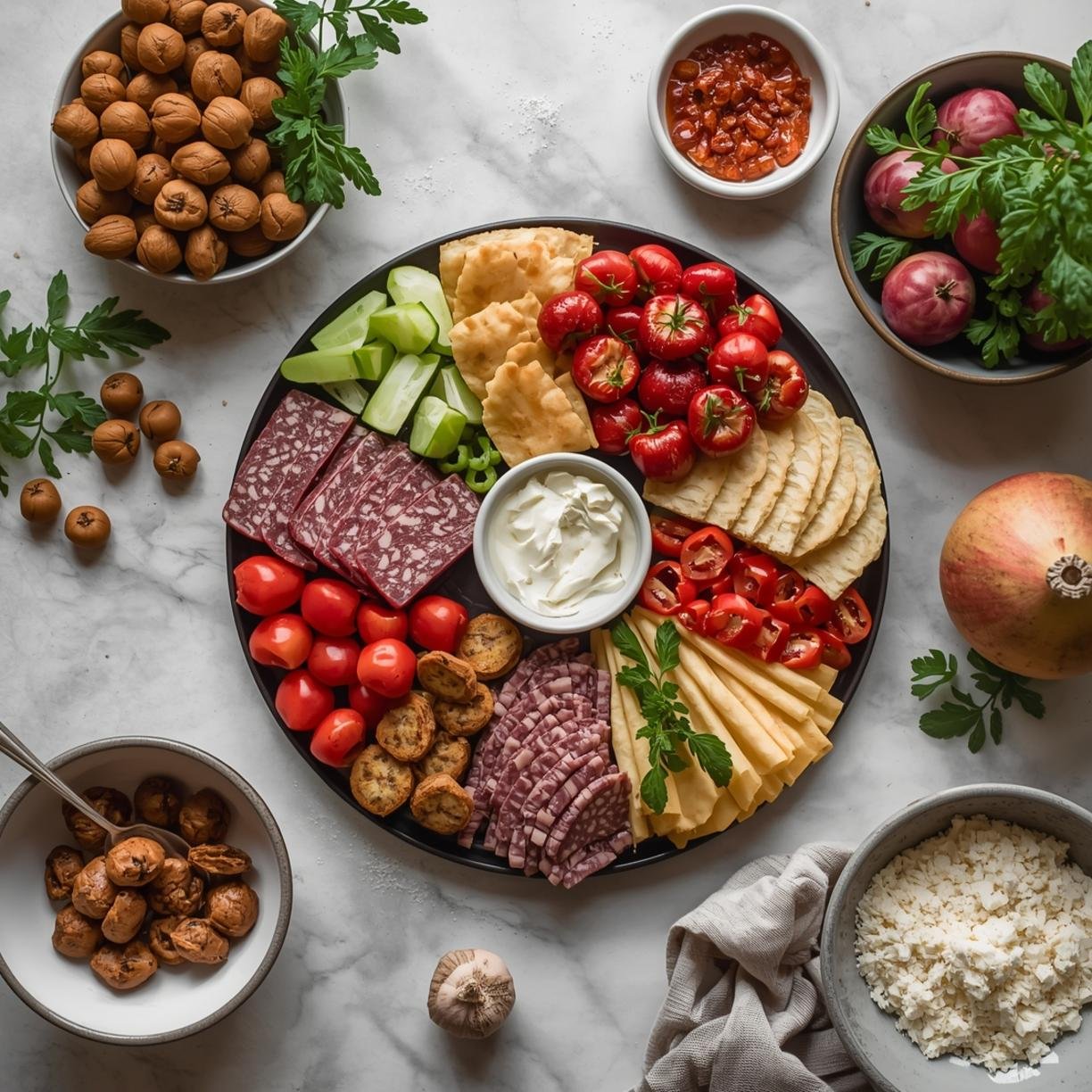
For the Board:
– Wooden cutting board, slate plate, or marble slab (12-18 inches)
– Small bowls for dips and spreads
– Cheese knives and small forks
Meats (4-6 oz total per person):
– Prosciutto (thinly sliced)
– Salami
– Soppressata
– Chorizo
Cheeses (4-6 oz total per person):
– Aged cheddar
– Brie or camembert
– Gouda
– Blue cheese (optional)
Accompaniments:
– Artisan crackers
– Sliced baguette
– Grapes (red or green)
– Strawberries
– Dried apricots
– Mixed nuts (almonds, walnuts)
– Olives (green and kalamata)
– Cornichons (small pickles)
– Fig jam or honey
– Whole grain mustard
Preparation & Cooking Time
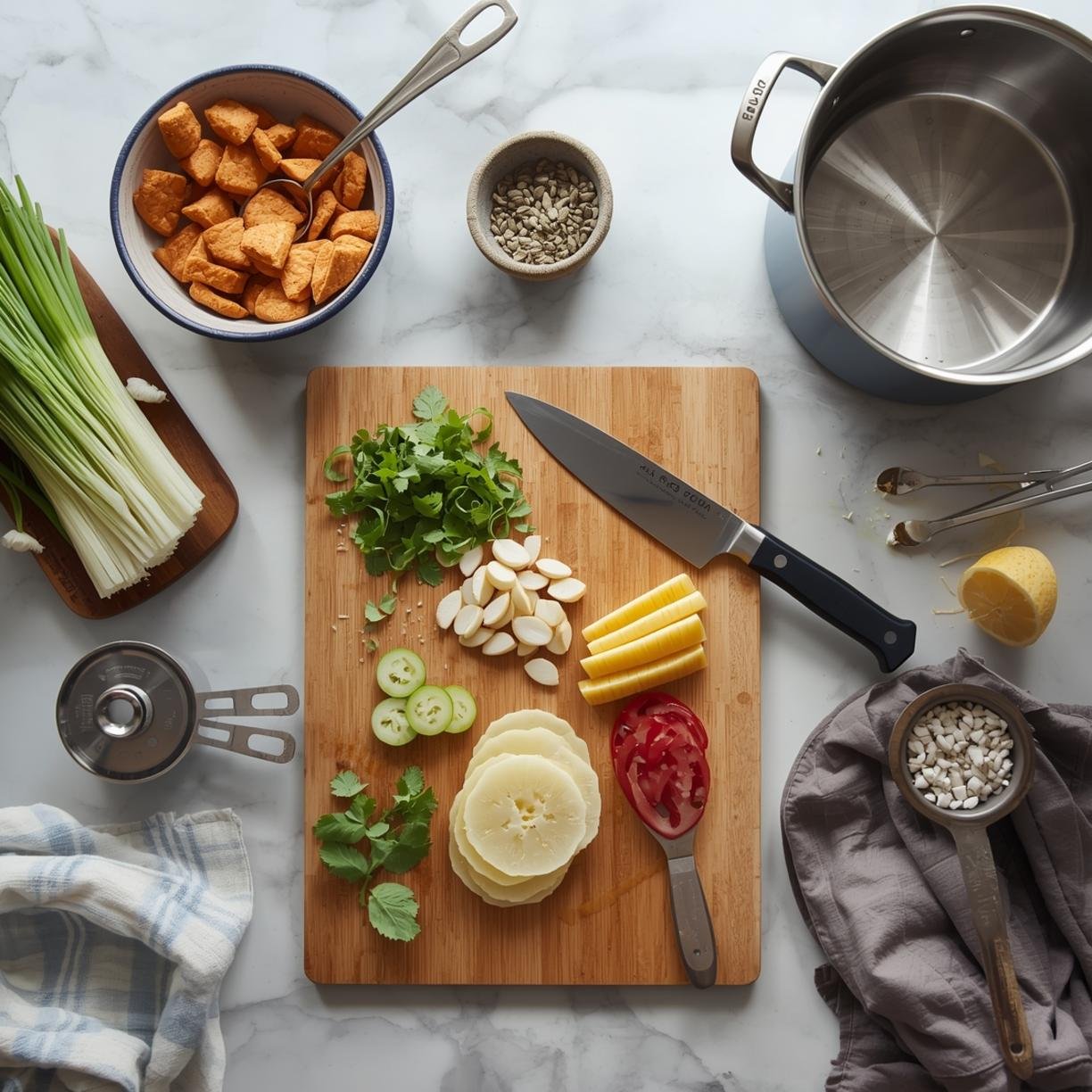
– Preparation time: 20-30 minutes
– No cooking required (unless toasting bread)
– Total time: 30 minutes
This is a perfect entertaining solution that requires minimal active preparation. It’s ideal for both impromptu gatherings and planned events since you can assemble it shortly before guests arrive. The beauty of a charcuterie board is its flexibility—you can prepare it in advance or put it together with whatever quality ingredients you have on hand.
Step-by-Step Instructions
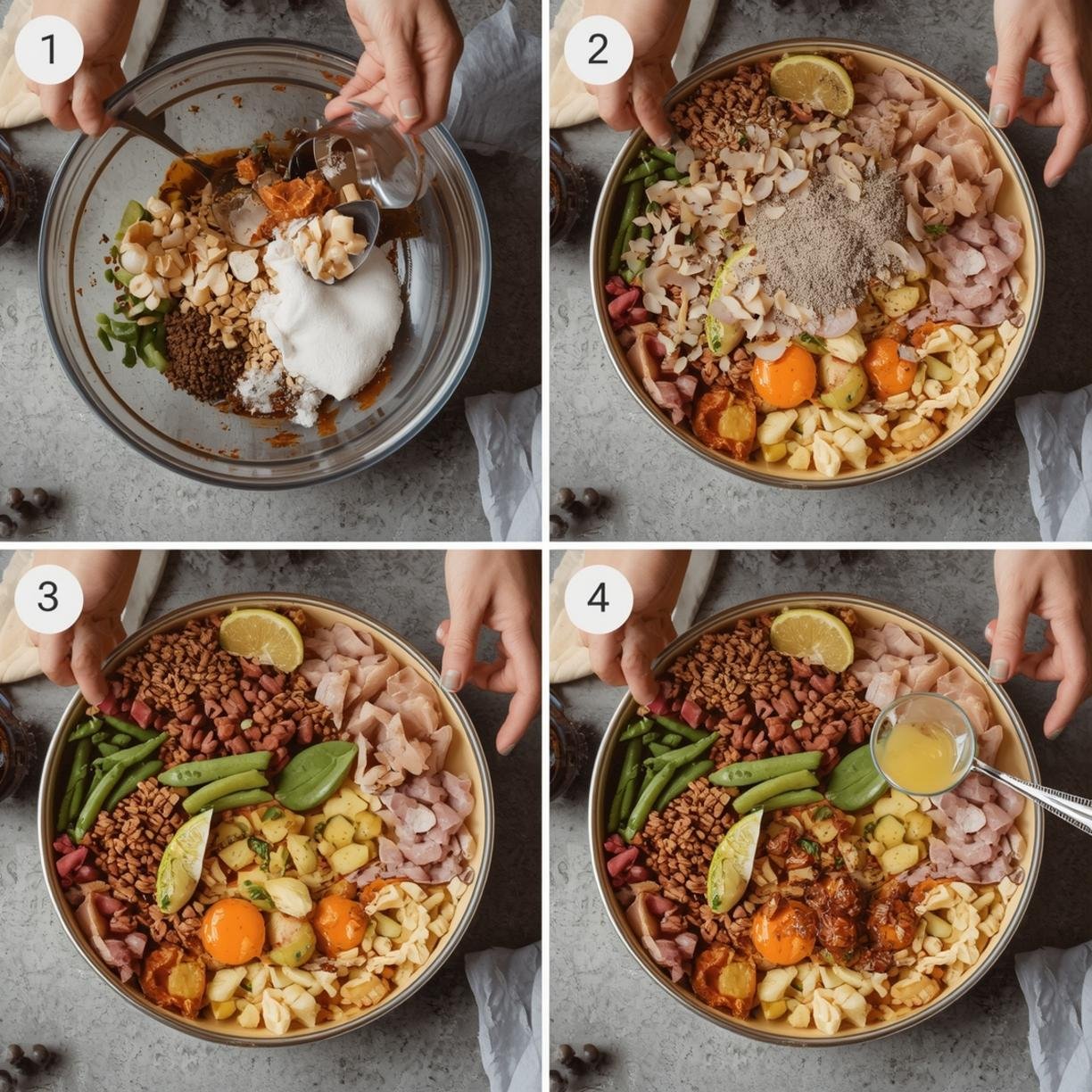
1. Start with the board foundation: Choose a clean, flat surface. Wooden boards provide rustic charm, but marble slabs offer elegant presentation.
2. Place small bowls first: Position bowls for olives, jams, mustard, or honey. These create natural dividers and focal points for your charcuterie board recipe.
3. Arrange the cheeses: Position cheeses around the board, keeping space between them. Cut softer cheeses like brie into wedges and harder cheeses like cheddar into cubes or slices.
4. Add the meats: Create folds, rolls, or rosettes with your charcuterie. Fan prosciutto into delicate waves, fold salami in half or quarters, and create small piles of thinly-sliced meats.
5. Fill in with fruits and nuts: Add grapes in small clusters, sliced apples or pears, and dried fruits. Scatter nuts in the empty spaces.
6. Complete with crackers and bread: Arrange crackers and bread slices around the edges or in sections where they’re easily accessible as the perfect appetizer base.
7. Final touches: Add fresh herbs like rosemary sprigs or thyme between items for color and aroma.
Nutritional Benefits / Advantages
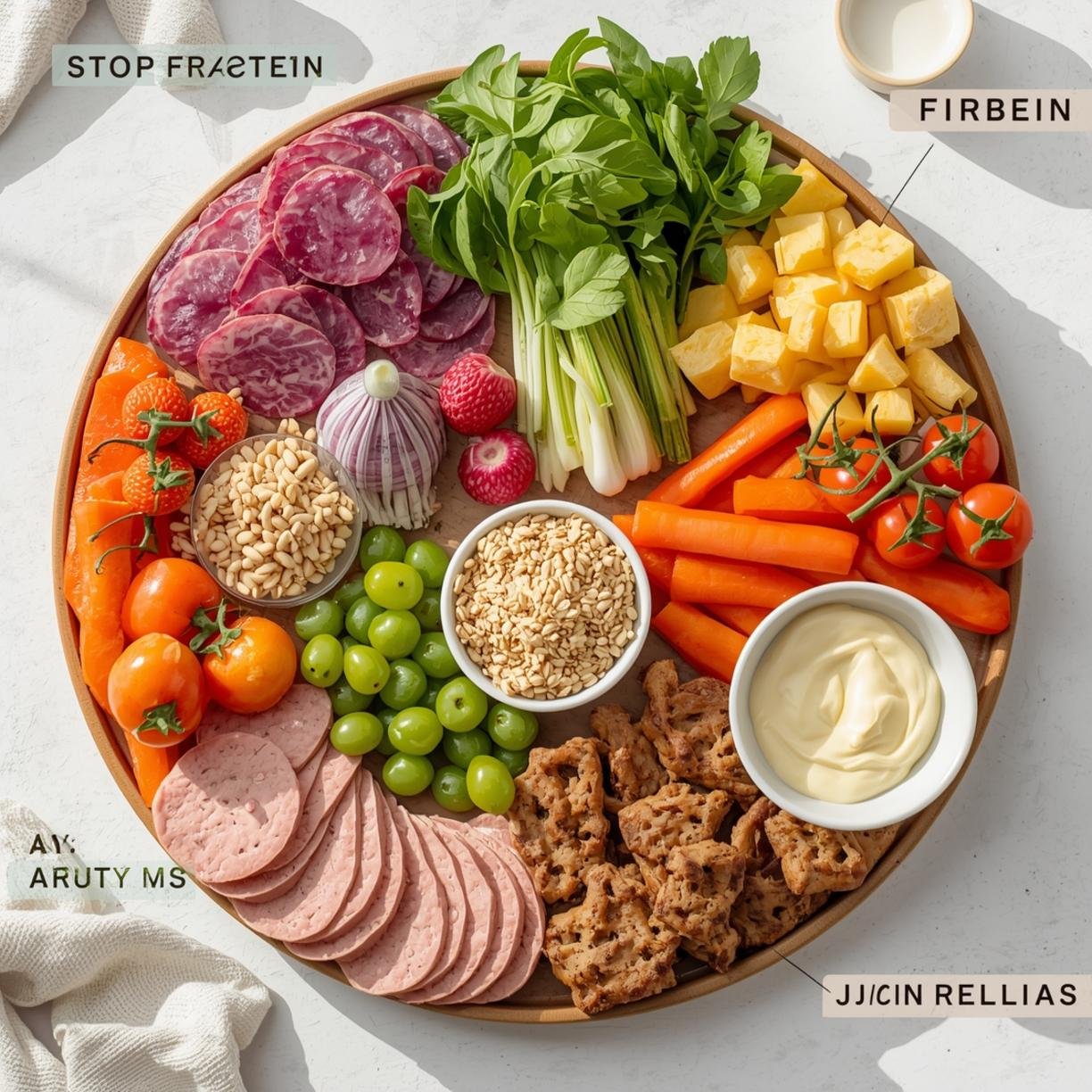
When thoughtfully assembled, charcuterie boards offer a balance of nutrients:
– Proteins from meats and cheeses
– Healthy fats from nuts and certain cheeses
– Fiber from fruits and whole-grain crackers
– Antioxidants from fruits and honey
– Probiotics from certain cheeses and fermented items
This grazing-style eating also encourages mindful consumption and appreciation of quality ingredients rather than mindless snacking.
Tips, Variations, or Cooking Advice
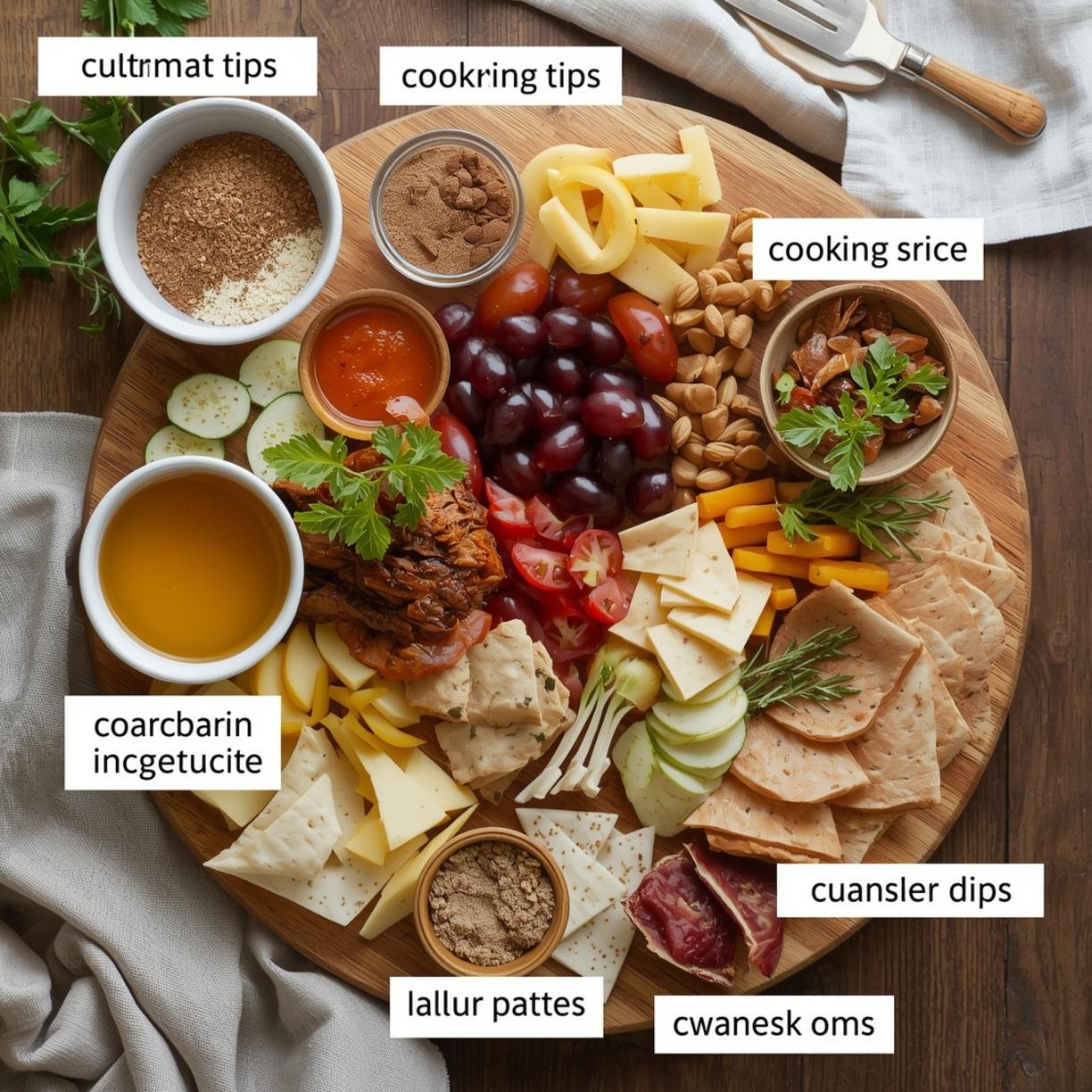
– Dietary Adaptations: Create themed boards like Mediterranean (with hummus, feta, olives) or plant-based (with vegan cheeses, roasted vegetables, and dips).
– Seasonal Approach: Incorporate seasonal fruits—berries in summer, figs in fall, citrus in winter.
– Budget-Friendly: Focus on fewer, high-quality items rather than many mediocre ones.
– Color Theory: Aim for visual contrast—mix red fruits, green herbs, and varying colors of cheeses and meats.
Common Mistakes to Avoid
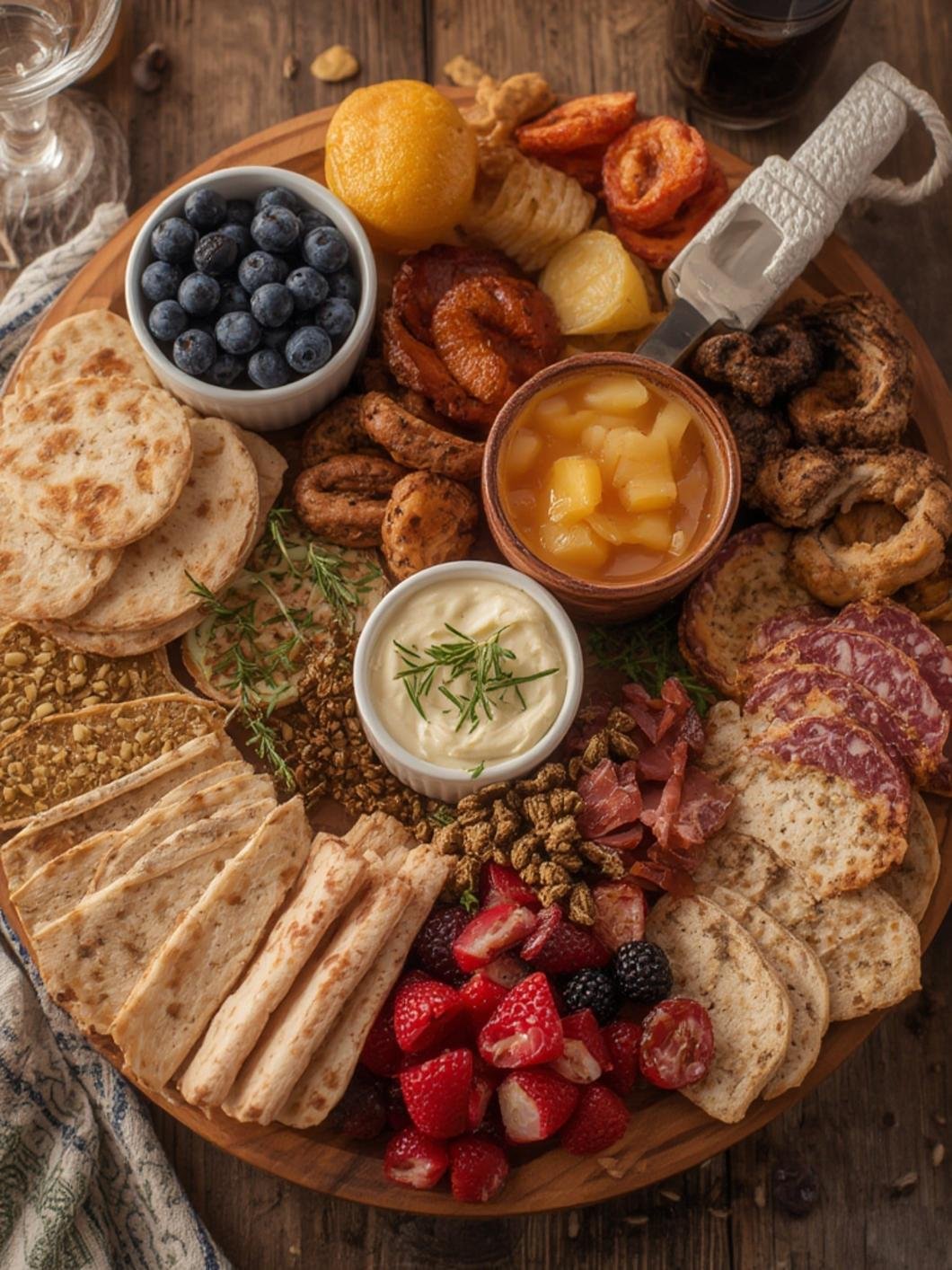
– Serving cheese too cold: Remove cheeses from refrigeration 30-60 minutes before serving for optimal flavor.
– Overcrowding the board: Leave some negative space for visual appeal and ease of access.
– Neglecting tools: Provide appropriate utensils for each cheese type and spreads.
– Forgetting textures: Ensure a mix of soft, firm, creamy, and crunchy elements.
Storage & Reheating Tips
– Store individual components separately in airtight containers.
– Cheeses should be wrapped in cheese paper or parchment, then loosely in plastic wrap.
– Cured meats can be stored in paper or plastic wrap for 3-5 days.
– Pre-cut fruits and vegetables only 1-2 days in advance.
– Charcuterie is best enjoyed fresh rather than reheated.
Conclusion
Creating your own charcuterie board recipe at home is both an artistic endeavor and a practical way to entertain. The beauty lies in its versatility—you can adapt it to any season, dietary preference, or occasion. Whether you’re assembling an elegant appetizer for a special celebration or a casual weekend treat, your homemade charcuterie board will surely impress. Don’t be afraid to experiment with different combinations and arrangements to find your signature style. We’d love to see your creations—share your charcuterie masterpieces with us in the comments!
FAQs
How far in advance can I prepare a charcuterie board?
You can prepare most elements a few hours ahead, but for optimal freshness, assemble the board no more than 1-2 hours before serving.
What’s the best way to calculate how much food to include?
Plan for about 2 ounces of meat and 2 ounces of cheese per person for an appetizer, or 4-6 ounces each if it’s the main course.
Can I make a charcuterie board without meat?
Absolutely! Vegetarian boards can focus on different cheeses, fruits, nuts, olives, roasted vegetables, and dips.
How do I keep my board looking fresh throughout an event?
Keep backup supplies of each ingredient refrigerated and refresh the board as needed. For longer events, consider using a smaller board and replenishing it throughout.