
Are you looking for a refreshing, versatile dip recipe that pairs perfectly with everything from pita bread to grilled meats? Tzatziki, the classic Greek cucumber yogurt dip, offers the perfect balance of creamy, tangy, and herbaceous flavors that will elevate any meal. This Mediterranean staple isn’t just delicious—it’s also packed with protein and probiotics from the yogurt, making it a healthier alternative to many store-bought dips. Creating this homemade tzatziki dip recipe allows you to control the ingredients while enjoying authentic flavors that simply can’t be matched by commercial versions.
Ingredients & Kitchen Tools
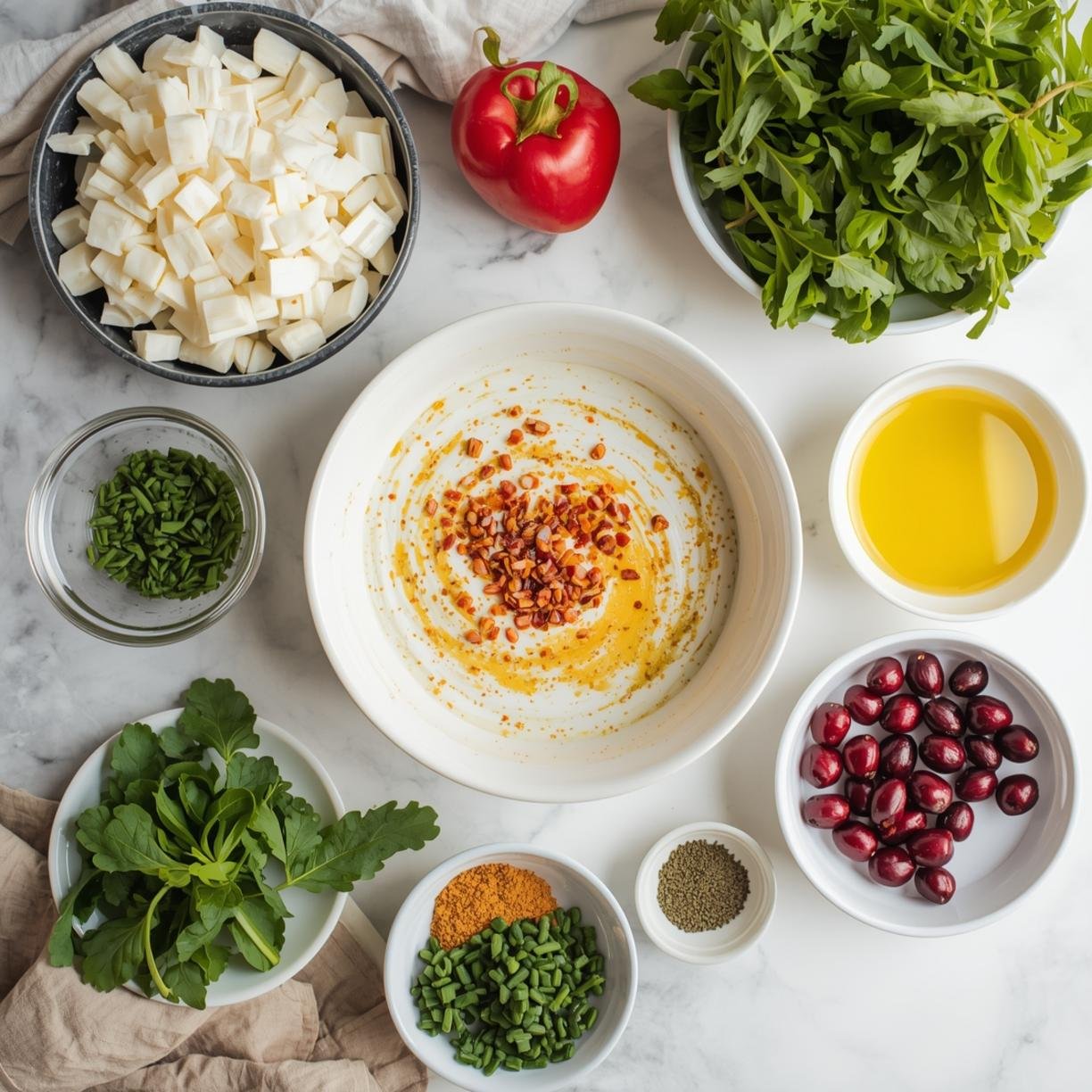
For the Tzatziki:
– 2 cups Greek yogurt (full-fat preferred for creaminess)
– 1 large English cucumber
– 3-4 cloves garlic, minced
– 2 tablespoons extra virgin olive oil
– 1 tablespoon fresh lemon juice
– 2 tablespoons fresh dill, finely chopped
– 1 tablespoon fresh mint, finely chopped (optional)
– 1 teaspoon salt (or to taste)
– 1/4 teaspoon black pepper
Kitchen Tools Needed:
– Fine mesh strainer or cheesecloth
– Medium mixing bowl
– Box grater or food processor
– Garlic press (optional)
– Measuring spoons and cups
– Sharp knife and cutting board
Preparation & Cooking Time

Preparation Time: 15 minutes
Straining Time: 30 minutes to 2 hours (for yogurt and cucumber)
Total Time: 45 minutes to 2.5 hours (including chilling)
This tzatziki recipe is perfect for make-ahead meal planning, as it actually improves in flavor after sitting in the refrigerator for a few hours. It’s an excellent beginner-friendly recipe that requires no cooking—just simple preparation techniques that yield impressive results.
Step-by-Step Instructions

1. Strain the yogurt: If using regular Greek yogurt, place it in a fine mesh strainer lined with cheesecloth over a bowl. Let it drain in the refrigerator for 1-2 hours to remove excess whey for a thicker dip recipe.
2. Prepare the cucumber: Peel the cucumber if the skin is waxed or bitter. Cut in half lengthwise and use a spoon to scrape out the seeds. Grate the cucumber using a box grater or food processor.
3. Remove cucumber moisture: Place the grated cucumber in a clean kitchen towel or cheesecloth and squeeze firmly to remove as much liquid as possible. This prevents watery tzatziki.
4. Combine ingredients: In a medium bowl, mix the strained yogurt, drained cucumber, minced garlic, olive oil, lemon juice, dill, mint (if using), salt, and pepper.
5. Blend flavors: Stir thoroughly to combine all ingredients. For best results, refrigerate for at least 30 minutes before serving to allow the flavors to meld together.
6. Taste and adjust: Before serving, taste and adjust seasonings as needed. Add more lemon juice for tanginess or garlic for intensity.
Nutritional Benefits / Advantages
Tzatziki offers numerous health benefits:
– High in protein from Greek yogurt
– Contains probiotics that support gut health
– Low in calories compared to cream-based dips
– Cucumbers provide hydration and vitamins
– Garlic offers immune-boosting properties
– Olive oil provides heart-healthy fats
– Fresh herbs add antioxidants and micronutrients
Tips, Variations, or Cooking Advice

Variations:
– Add 1/4 teaspoon ground cumin for a warm, earthy note
– Substitute cilantro for the dill for a different flavor profile
– Mix in 1/4 cup crumbled feta cheese for a saltier, creamier dip
– Include 1 tablespoon of za’atar spice blend for a Middle Eastern twist
– For a dairy-free version, use coconut yogurt instead of Greek yogurt
Serving Suggestions:
– Use as a spread on wraps or sandwiches
– Serve with grilled chicken or lamb
– Pair with roasted vegetables
– Offer as a dip for pita chips or fresh vegetables
– Dollop onto falafel or kebabs
Common Mistakes to Avoid

1. Skipping the draining step: Not removing excess liquid from both the yogurt and cucumber will result in a runny, watery dip.
2. Using regular yogurt: Non-Greek yogurt lacks the thickness needed for proper tzatziki consistency.
3. Adding too much garlic: Raw garlic can easily overpower the dip. Start with less and add more to taste.
4. Serving immediately: Tzatziki needs time for the flavors to develop. Always allow at least 30 minutes of resting time.
5. Over-salting: Remember that the liquid removal concentrates flavors, so salt conservatively and adjust at the end.
Storage & Reheating Tips
Tzatziki can be stored in an airtight container in the refrigerator for up to 5 days. The flavors often improve after the first day. Stir well before serving, as some separation may occur. This dip is not suitable for freezing as the yogurt and cucumber will change texture significantly when thawed. As this is a cold dip, reheating is not recommended.
Conclusion
This homemade tzatziki dip recipe delivers authentic Greek flavors with minimal effort and maximum versatility. The creamy texture and bright flavors make it a perfect accompaniment to countless dishes, while its nutritional benefits make it a guilt-free addition to your culinary repertoire. Whether you’re hosting a Mediterranean-themed dinner party or simply looking for a healthy snack option, this tzatziki will quickly become a staple in your kitchen. Try making this refreshing dip today and discover why it has remained popular across cultures for generations!
FAQs
Can I use non-fat Greek yogurt for tzatziki?
Yes, though full-fat yogurt produces a creamier, more traditional texture and flavor. If using non-fat, you may want to add a bit more olive oil.
How can I make my tzatziki less garlicky?
Roast the garlic beforehand for a milder, sweeter flavor, or reduce the amount to 1-2 cloves. You can also let minced garlic sit in lemon juice for 5 minutes before adding.
Why is my tzatziki bitter?
Bitterness usually comes from the cucumber skin or from garlic that has begun to sprout. Peel the cucumber completely and make sure to use fresh garlic cloves.
Can tzatziki be made ahead for a party?
Absolutely! In fact, it’s better when made 24 hours in advance, allowing flavors to fully develop. Just store it covered in the refrigerator.
Is tzatziki keto-friendly?
Yes, when made with full-fat Greek yogurt, tzatziki is relatively low in carbohydrates and suitable for most keto diets, though cucumber does contain some carbs.