
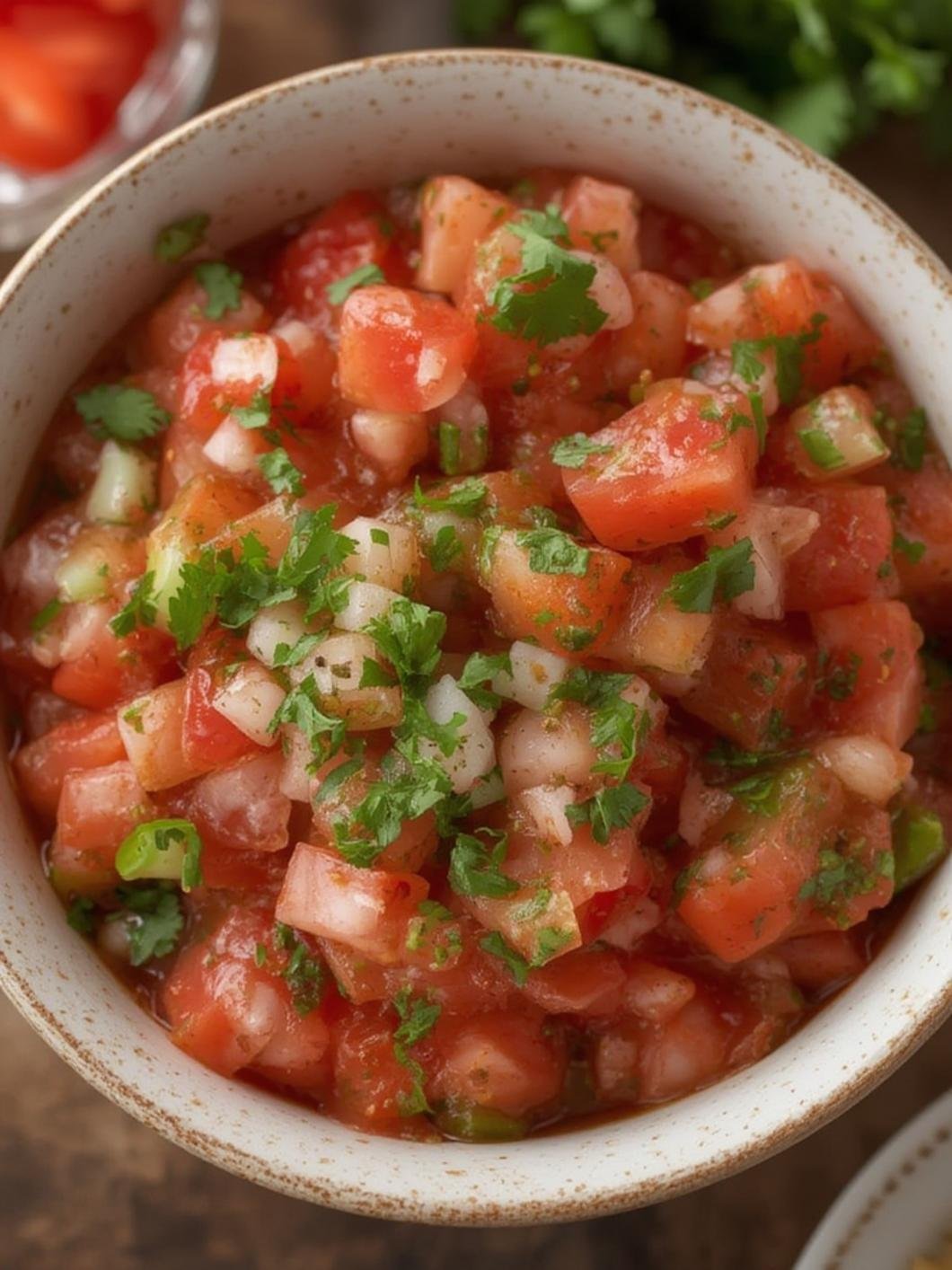
Ever wondered how to bring authentic Mexican flavors to your table with minimal effort? The vibrant, zesty pico de gallo recipe is your answer! This classic Mexican salsa fresca combines the freshest ingredients to create a versatile condiment that elevates tacos, grilled meats, or even a simple chip dip. Making this vegetable dip at home allows you to control the ingredients’ quality and adjust the flavors to your preference. The beauty of homemade pico de gallo lies in its simplicity and fresh, bright taste that store-bought versions simply can’t match.
Ingredients & Kitchen Tools

For the Pico de Gallo:
– 4 medium ripe tomatoes (Roma or plum tomatoes work best)
– 1 medium white onion
– 1-2 jalapeño or serrano peppers (depending on heat preference)
– 1 bunch fresh cilantro (about ½ cup chopped)
– 2-3 limes (for 3-4 tablespoons of fresh juice)
– 1 teaspoon salt (or to taste)
– ¼ teaspoon black pepper (optional)
– 1 clove garlic, minced (optional)
Kitchen Tools Needed:
– Sharp chef’s knife
– Cutting board
– Mixing bowl (preferably glass or ceramic)
– Citrus juicer or fork
– Measuring spoons
– Serving bowl
Preparation & Cooking Time
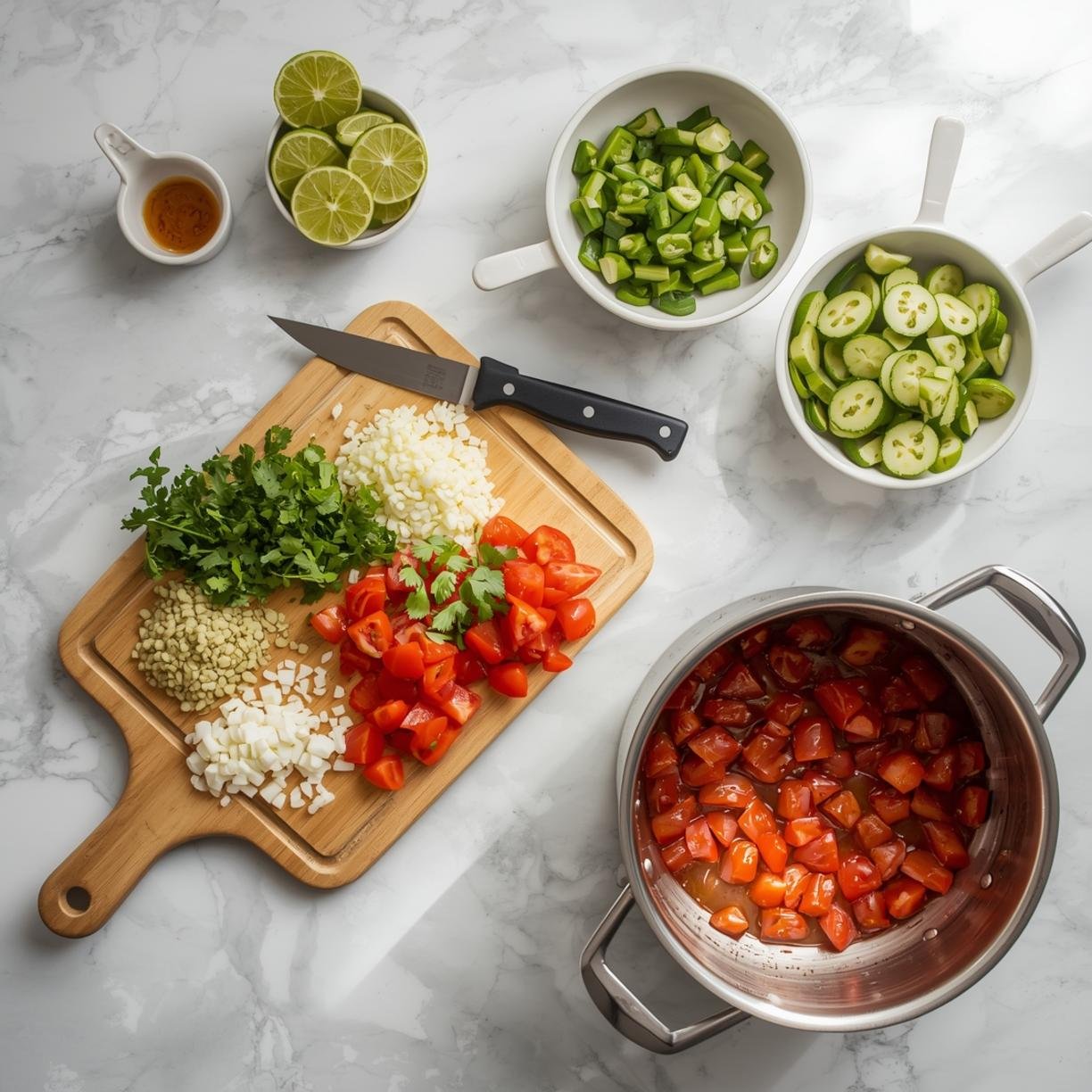
– Preparation time: 15 minutes
– Resting time: 30 minutes (optional but recommended)
– Total time: 45 minutes
This is a no-cook recipe perfect for quick entertaining or as a refreshing addition to weeknight dinners. The optional resting time allows the flavors to meld together, but the pico de gallo can be enjoyed immediately if you’re short on time.
Step-by-Step Instructions
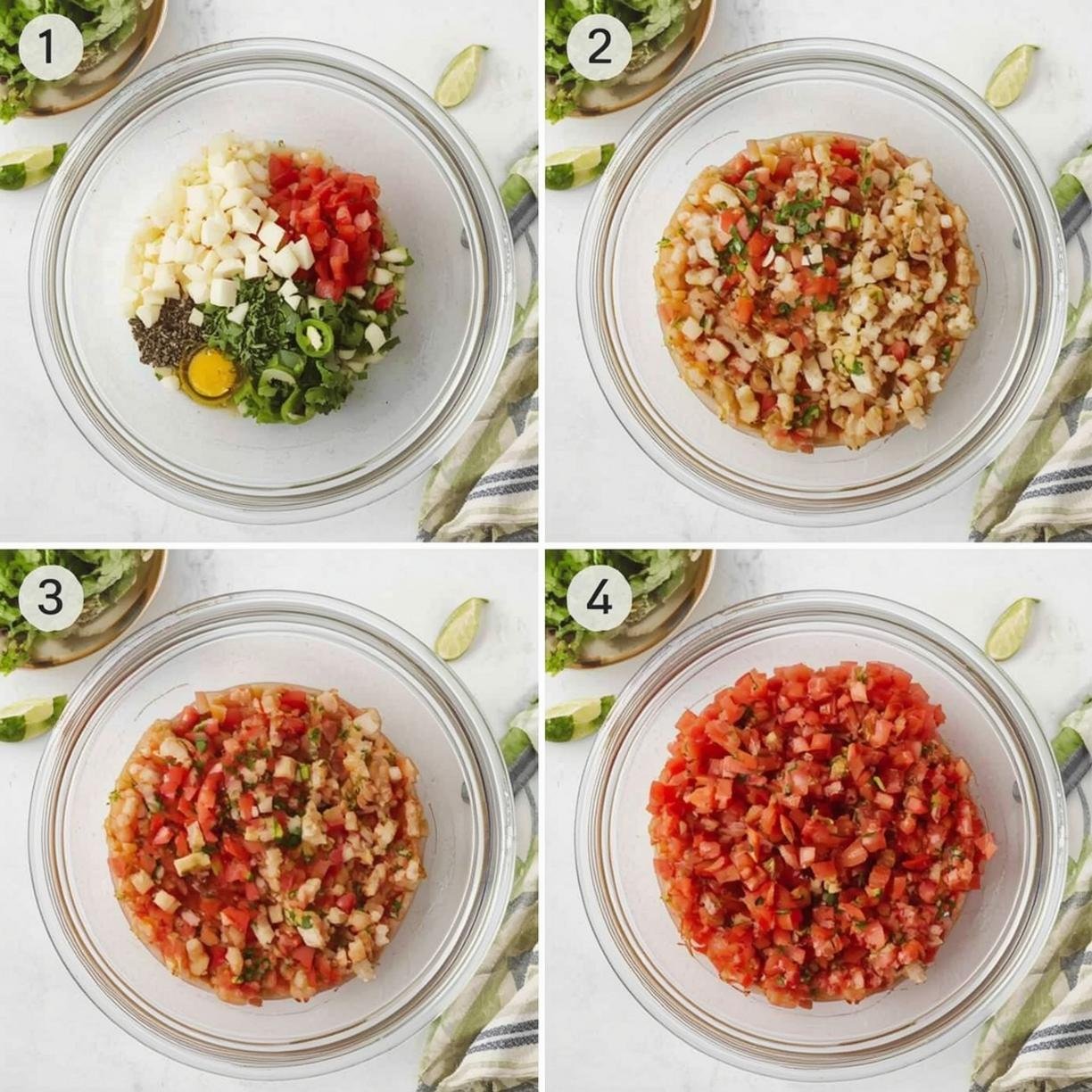
1. Prep the tomatoes: Rinse tomatoes thoroughly, remove cores, and dice into small, uniform cubes (about ¼-inch pieces). For less watery pico de gallo, you can remove the seeds and gel.
2. Dice the onion: Peel and finely dice the white onion into pieces similar in size to the tomatoes. Pro tip: Rinse diced onions under cold water for 10 seconds to reduce their sharpness.
3. Prepare the peppers: Remove stems from jalapeños or serranos. For milder heat, remove seeds and white membranes. Finely dice the peppers. Always wash hands thoroughly after handling hot peppers!
4. Chop the cilantro: Rinse cilantro bunch, pat dry, and finely chop the leaves and tender stems. The stems actually contain intense flavor perfect for this pico de gallo recipe.
5. Combine ingredients: In your mixing bowl, combine tomatoes, onion, peppers, and cilantro. Stir gently to distribute ingredients evenly.
6. Season the mixture: Squeeze fresh lime juice over the mixture. Add salt, pepper, and optional minced garlic. Toss gently to combine all flavors.
7. Taste and adjust: Sample your vegetable dip and adjust seasonings as needed – more lime for tanginess, salt for flavor enhancement, or peppers for heat.
8. Let rest: For best flavor, allow the mixture to rest at room temperature for 30 minutes, stirring occasionally.
Nutritional Benefits / Advantages
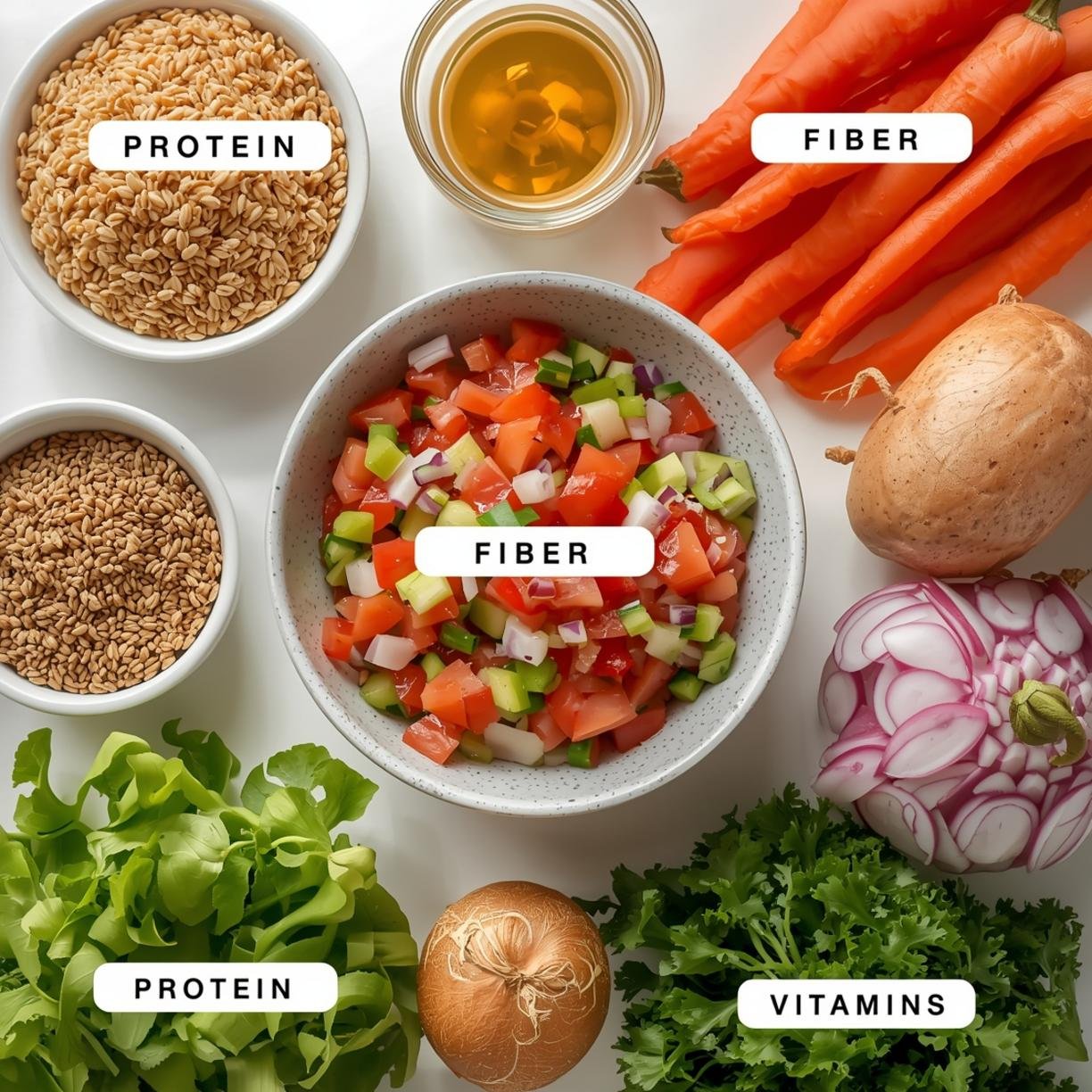
This vibrant condiment isn’t just delicious – it’s packed with nutrients:
– Low in calories (approximately 25 calories per ½ cup serving)
– Rich in vitamin C from fresh tomatoes and lime juice
– Good source of vitamin A and potassium
– Contains anti-inflammatory compounds from onions and peppers
– Provides dietary fiber
– Naturally gluten-free, vegan, and paleo-friendly
Tips, Variations, or Cooking Advice
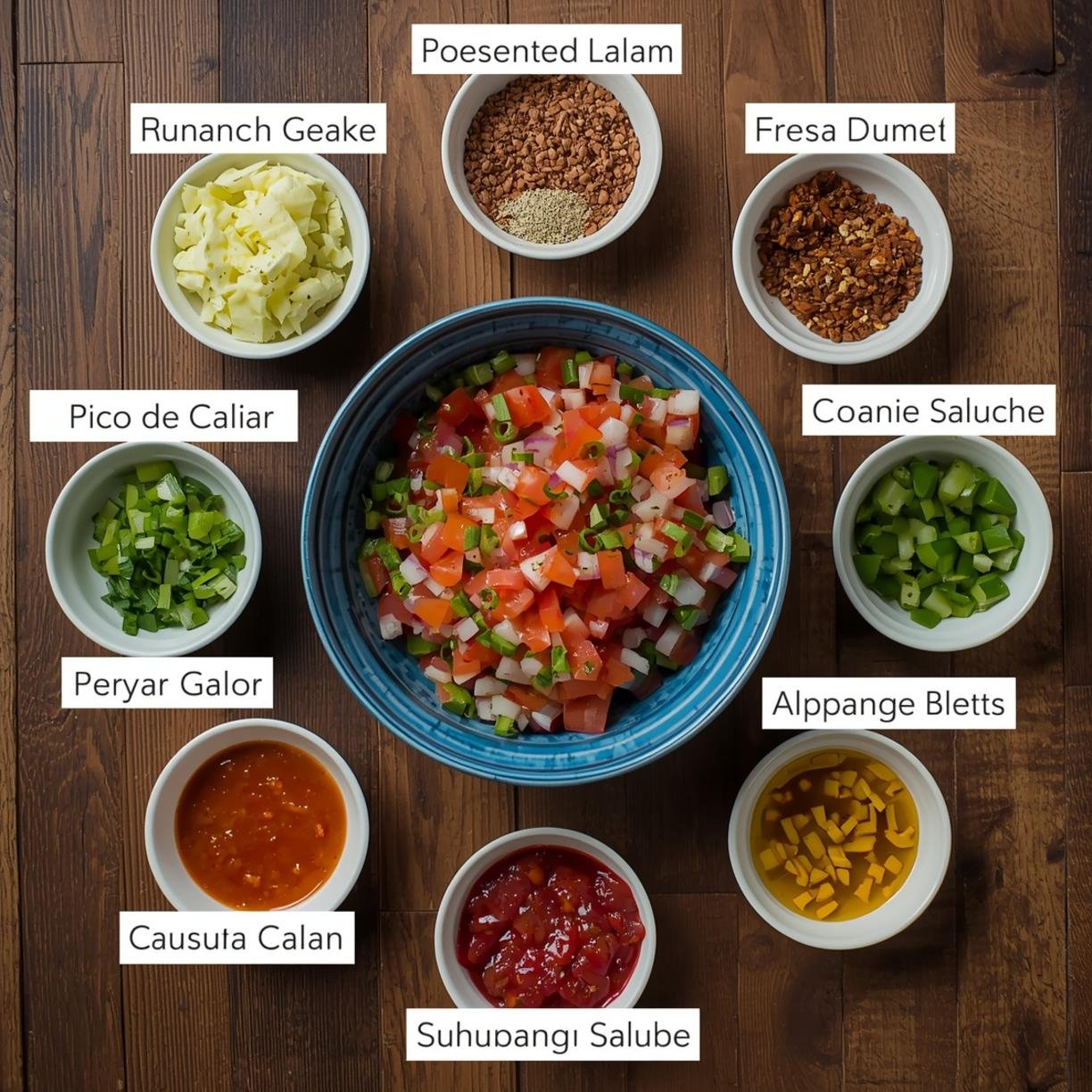
– Fruit variations: Add diced mango, pineapple, or peach for a sweeter, tropical version
– Avocado boost: Fold in diced avocado just before serving for added creaminess
– Roasted version: Char tomatoes and peppers on the grill or under the broiler before dicing for a smoky flavor
– Corn addition: Mix in fresh or grilled corn kernels for texture and sweetness
– Black bean mix: Add rinsed and drained black beans for a heartier dip or side dish
Common Mistakes to Avoid
1. Using unripe tomatoes: Choose ripe but firm tomatoes for the best flavor and texture
2. Over-salting: Salt draws moisture from vegetables, so start with less and adjust after resting
3. Cutting pieces too large: Aim for uniform, small dice so you get multiple ingredients in each bite
4. Skipping the lime: Fresh lime juice not only adds flavor but helps preserve the freshness
5. Making too far ahead: While it can rest for 30 minutes, the texture is best when served within a few hours of preparation
Storage & Reheating Tips
Pico de gallo is best enjoyed fresh, but you can store leftovers in an airtight container in the refrigerator for up to 2 days. The vegetables will continue to release moisture, so drain excess liquid before serving again. This is not a recipe that benefits from freezing, as the fresh vegetables will lose their crisp texture. Since this is a raw preparation, no reheating is necessary or recommended.
Conclusion
Making this fresh pico de gallo recipe at home is a simple way to add authentic Mexican flavor to countless dishes. The vibrant combination of textures and flavors in this classic vegetable dip makes it an essential recipe for any home cook’s repertoire. Whether you’re topping tacos, enhancing grilled proteins, or just looking for a healthy snack with tortilla chips, this versatile condiment delivers big flavor with minimal effort. Try making a batch this week and experience the difference fresh ingredients make!
FAQs
Can I make pico de gallo without cilantro?
Yes! If you’re not a cilantro fan, substitute with fresh parsley or simply omit it entirely. The salsa will still be flavorful.
How can I make my pico de gallo less spicy?
Remove all seeds and membranes from the jalapeños, use milder peppers like poblano, or reduce the amount. You can also add a touch of honey to balance heat.
Why is my pico de gallo too watery?
This is likely from the tomatoes. Try removing seeds and gel before dicing, using Roma tomatoes which are less watery, or draining the finished mixture before serving.
Can I use bottled lime juice instead of fresh?
Fresh is strongly recommended for the brightest flavor, but bottled lime juice will work in a pinch. Use slightly less as it’s often more concentrated.
How do I serve pico de gallo?
Serve it with tortilla chips, spoon it over grilled meats, fish, or eggs, use it to top tacos, burritos, nachos, or mix it into guacamole for added texture and flavor.