
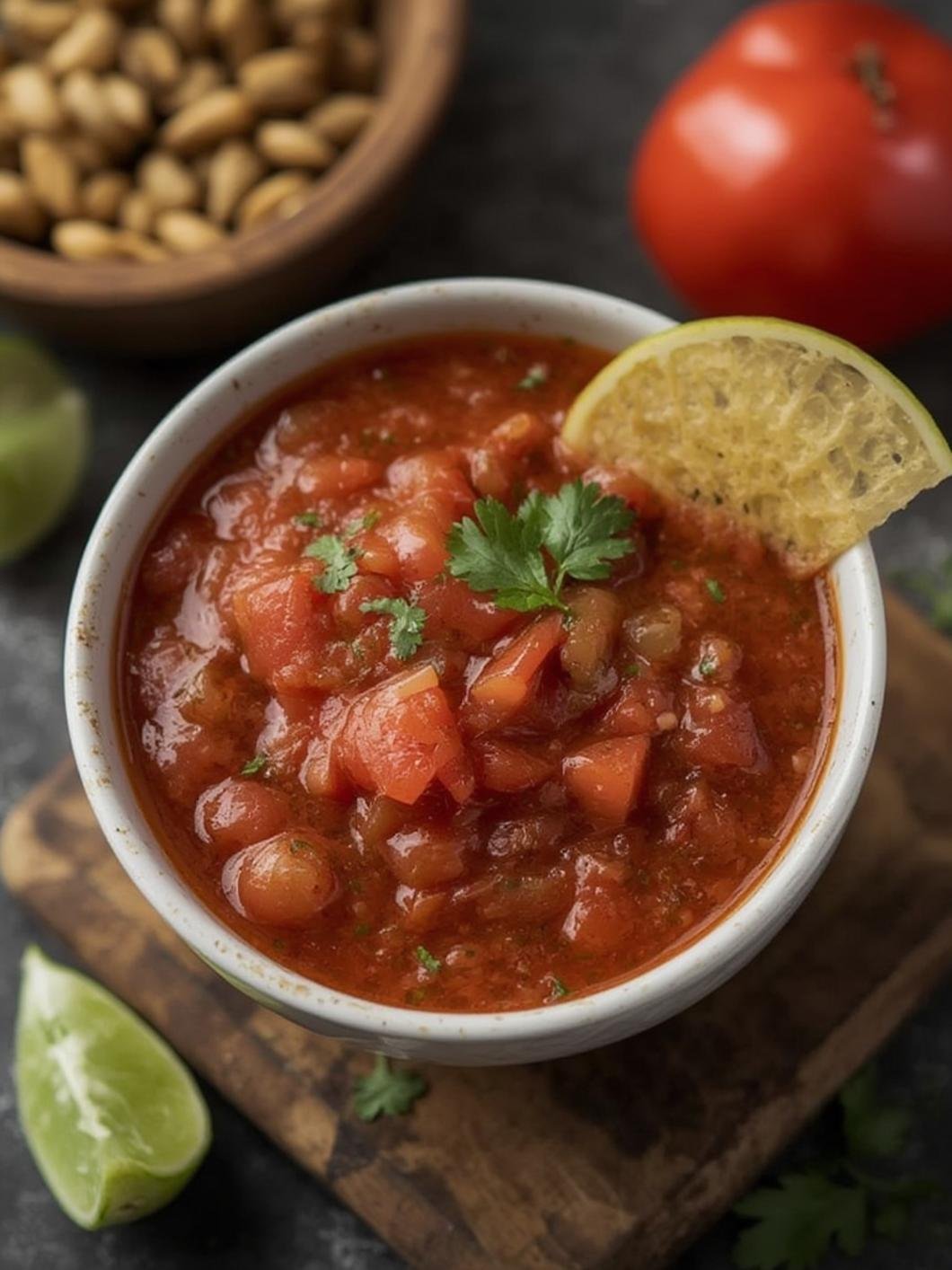
Have you ever tasted store-bought salsa and wondered why it doesn’t quite match the vibrant flavors you experienced at your favorite Mexican restaurant? Creating a homemade salsa recipe brings an explosion of fresh flavors that simply can’t be captured in those jarred varieties. With just a handful of simple ingredients, you can create a salsa recipe that will elevate your taco nights, complement your grilled meats, or simply make a perfect chip-dipping appetizer for your next gathering.
Ingredients & Kitchen Tools

For the Salsa:
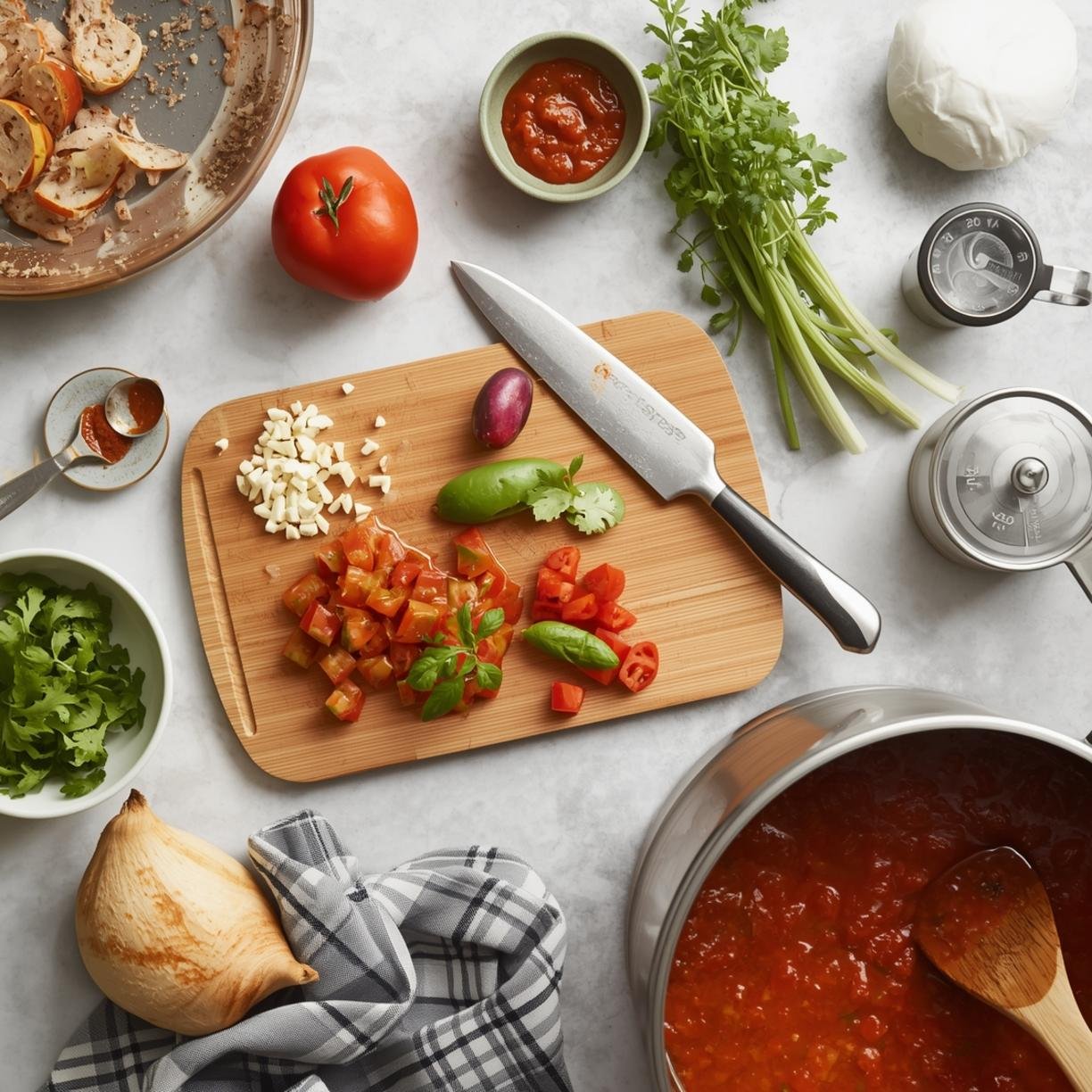
– 6 ripe Roma tomatoes, chopped
– 1 medium white onion, finely diced
– 2-3 jalapeño peppers, seeded and minced (adjust to taste)
– 1/4 cup fresh cilantro, chopped
– 3 cloves garlic, minced
– 2 tablespoons fresh lime juice
– 1 teaspoon sea salt
– 1/2 teaspoon ground cumin
– 1/4 teaspoon black pepper
Optional Add-ins:
– 1 ripe avocado, diced
– 1 cup corn kernels (fresh or roasted)
– 1 can black beans, drained and rinsed
– 1-2 chipotle peppers in adobo sauce (for smokiness)
Kitchen Tools:
– Sharp chef’s knife
– Cutting board
– Food processor or blender (for smoother consistency)
– Mixing bowl
– Citrus juicer
– Measuring spoons
– Storage container with lid
Preparation & Cooking Time
– Preparation time: 15-20 minutes
– Optional roasting time: 10-15 minutes (if you prefer roasted tomatoes)
– Chilling time: 30 minutes (recommended but optional)
– Total time: 45-60 minutes
This recipe is perfect for beginners and requires no actual cooking unless you choose to roast your vegetables first. It’s an excellent make-ahead option for parties, as the flavors develop and improve over time.
Step-by-Step Instructions
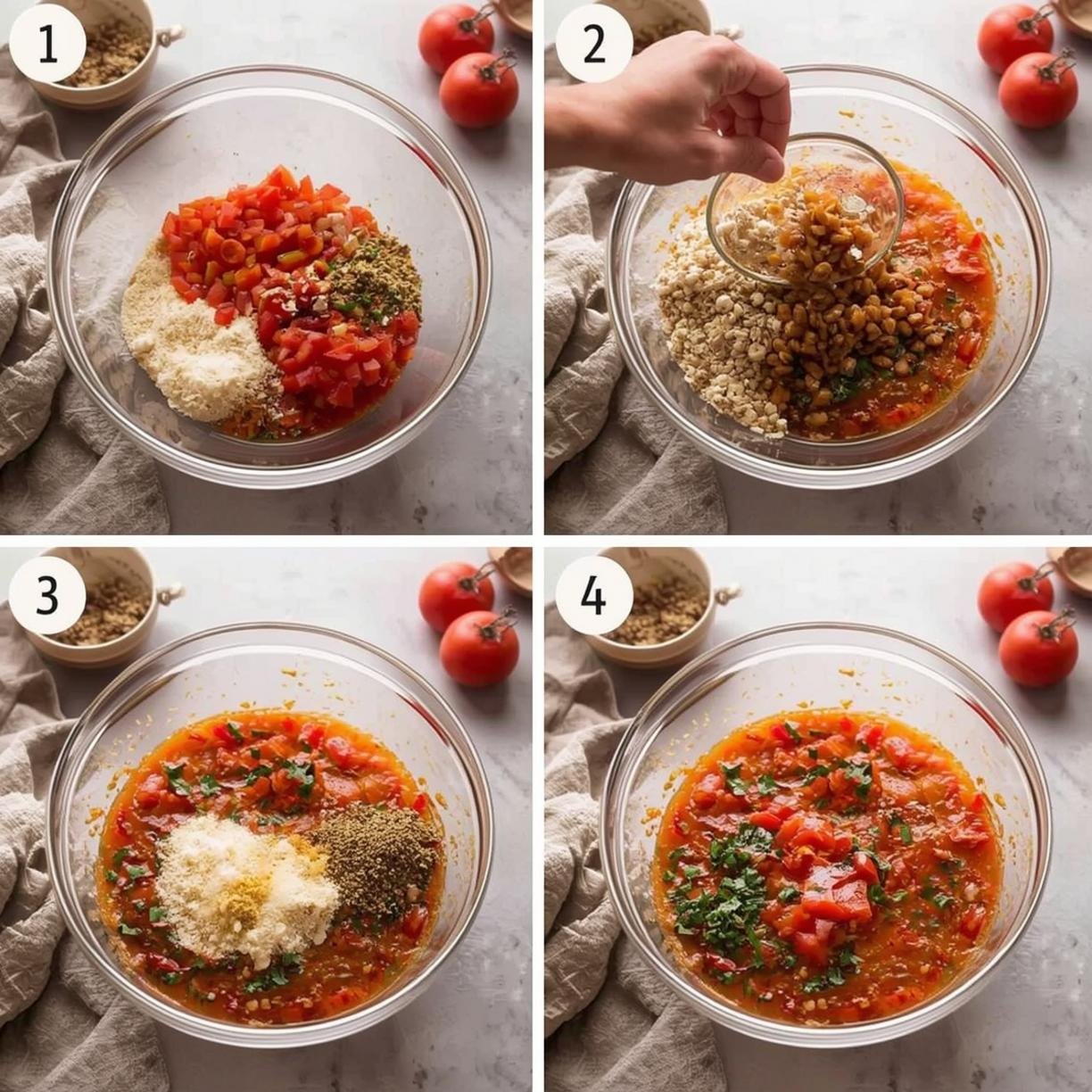
1. Prepare your vegetables: Rinse all produce thoroughly. For a smoother salsa recipe, chop ingredients into smaller pieces. For chunkier texture, dice them larger.
2. Combine base ingredients: In a large bowl, combine the chopped tomatoes, onion, jalapeños, garlic, and cilantro.
3. Add seasonings: Sprinkle with salt, cumin, and black pepper. Pour the lime juice over the mixture.
4. Mix and adjust: Gently stir all ingredients until well combined. Taste and adjust seasonings as needed – more salt for flavor enhancement, more lime for tanginess, or additional jalapeños for heat.
5. Process if desired: For restaurant-style salsa recipe, pulse the mixture in a food processor or blender until you reach your preferred consistency. For fresh chunky salsa, skip this step.
6. Chill before serving: Allow the salsa to rest in the refrigerator for at least 30 minutes to let the flavors meld together.
Nutritional Benefits / Advantages
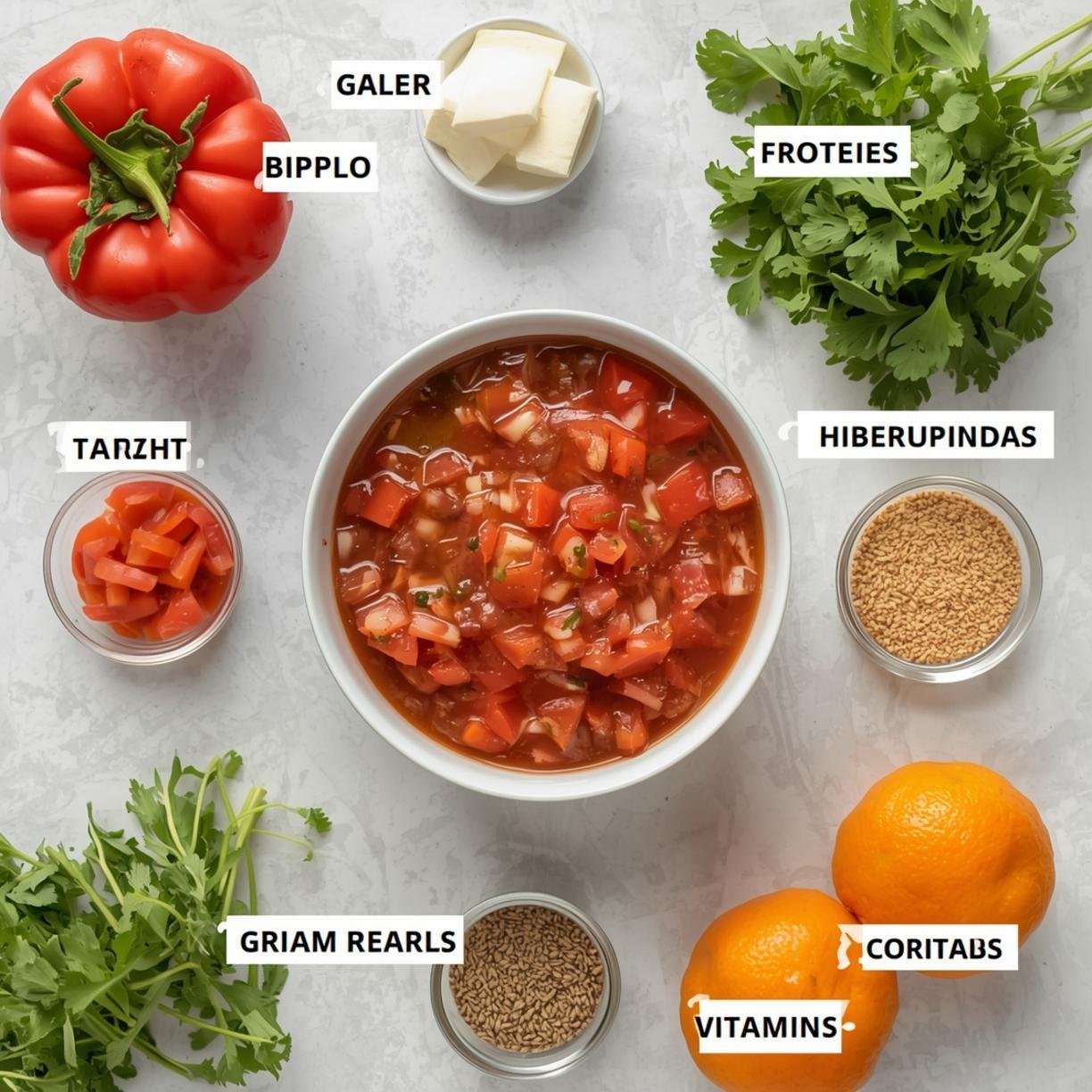
This homemade salsa offers impressive nutritional benefits:
– Low-calorie: Approximately 25-35 calories per 1/4 cup serving
– Rich in vitamin C: From fresh tomatoes and lime juice
– Good source of antioxidants: Especially lycopene from tomatoes
– Contains beneficial phytonutrients: From onions, garlic, and jalapeños
– Provides dietary fiber: Particularly if you include optional add-ins like beans or corn
– No added preservatives or excess sodium: Unlike most commercial options
Tips, Variations, or Cooking Advice
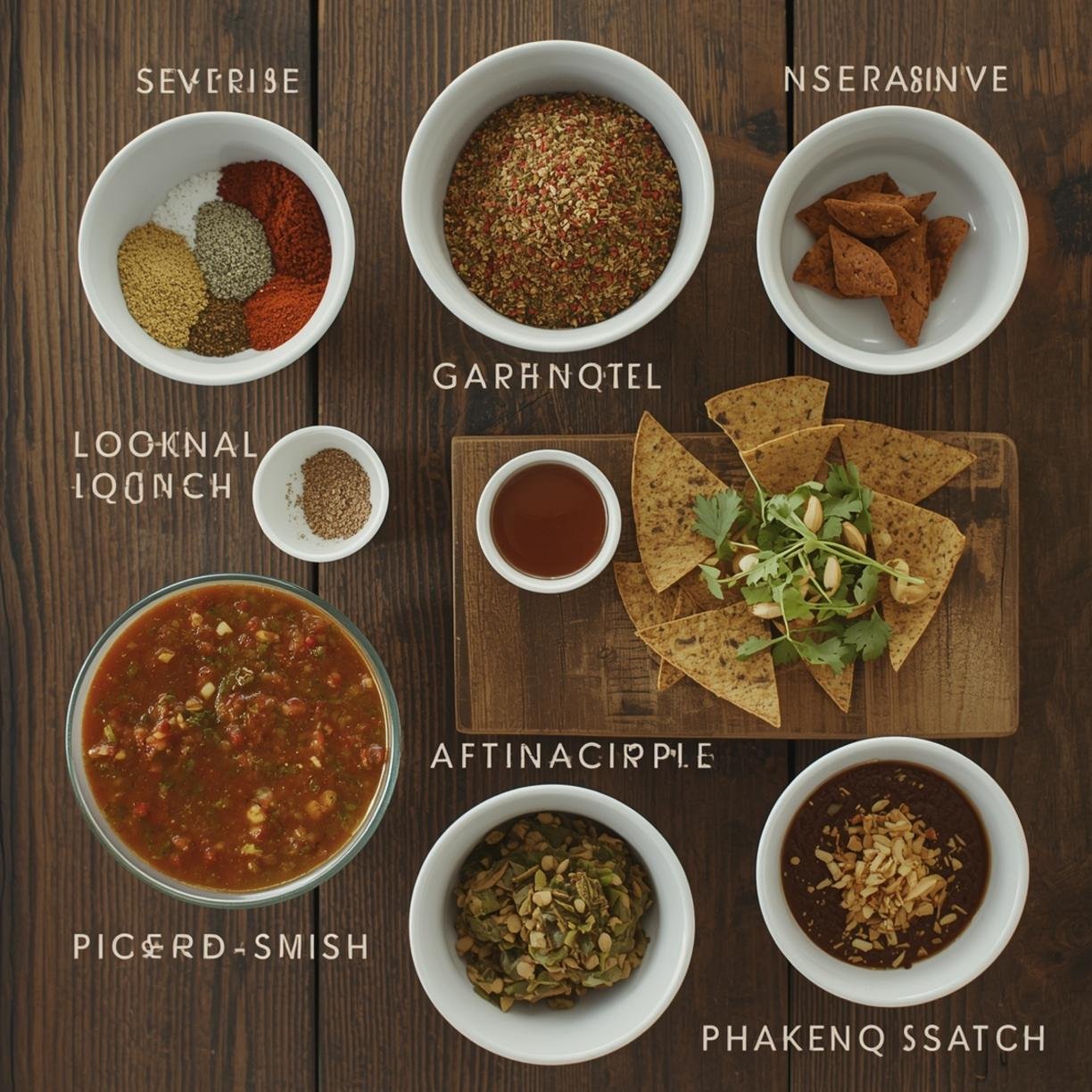
– For roasted salsa: Char tomatoes, jalapeños, and onions under a broiler or on a grill for 5-10 minutes before chopping for a deeper, smoky flavor.
– Fruity variations: Add diced mango, pineapple, or peaches for a sweet-spicy combination.
– Creamy texture: Blend in 1/4 avocado for richness without altering the classic flavor profile.
– Mild version: Remove all seeds and membranes from jalapeños and substitute with milder bell peppers.
– Extra spicy: Add a serrano or habanero pepper for serious heat lovers.
– Texture control: Drain excess tomato liquid for a less watery consistency.
Common Mistakes to Avoid
1. Over-processing: Pulsing too long in a food processor can turn your salsa into soup. Use short pulses and check frequently.
2. Skipping the salt: Salt is crucial for drawing out flavors – don’t omit it.
3. Using out-of-season tomatoes: For best results, use ripe, in-season tomatoes or high-quality canned tomatoes in winter months.
4. Not tasting as you go: Adjust seasonings gradually and taste between additions.
5. Handling hot peppers carelessly: Wear gloves when cutting jalapeños to avoid burning your skin or eyes.
Storage & Reheating Tips
Fresh homemade salsa will keep in an airtight container in the refrigerator for 5-7 days. The flavors often improve after 24 hours as ingredients marinate together. For longer storage, freeze in ice cube trays, then transfer frozen cubes to freezer bags for up to 3 months. Note that freezing may slightly alter the texture, making it more suitable for cooking applications rather than fresh dipping.
Conclusion
Creating your own homemade salsa recipe allows you to customize the flavors exactly to your preference while avoiding preservatives and excessive sodium found in store-bought versions. Whether you’re serving it alongside tortilla chips, using it to top grilled fish, or incorporating it into your favorite salsa recipe applications, this versatile condiment brings vibrant, fresh flavors to your table. Try this recipe this weekend, and you might never go back to the jarred version again!
FAQs
Can I use canned tomatoes instead of fresh?
Yes! When fresh tomatoes aren’t in season, use 2 cans (14.5 oz each) of diced tomatoes, drained. Fire-roasted varieties add excellent flavor.
How can I make my salsa less watery?
Remove seeds and excess juice from tomatoes before chopping, or strain the finished salsa. You can also use paste tomatoes like Roma or San Marzano, which have less water content.
Is this salsa suitable for canning?
This recipe is intended for fresh consumption. For safe canning, you’d need to follow a tested recipe with proper acidification levels.
How spicy is this salsa?
With 2-3 jalapeños as written, it’s medium spicy. Adjust heat by changing the amount and type of peppers, and always remove seeds and membranes for milder flavor.
Can I make this salsa without cilantro?
Absolutely! If you’re among those who find cilantro tastes soapy (it’s genetic!), substitute with fresh parsley or simply omit it entirely.