
Have you ever wondered how to create restaurant-quality seafood appetizers at home without spending hours in the kitchen? This elegant yet simple salmon appetizer recipe combines delicate flavors, vibrant colors, and premium ingredients to create a dish that’s perfect for any gathering. Whether you’re hosting a dinner party or looking for a nutritious quick bite, this recipe delivers impressive results with minimal effort. Making these salmon bites at home allows you to control the quality of ingredients while saving money compared to restaurant prices.
Ingredients & Kitchen Tools
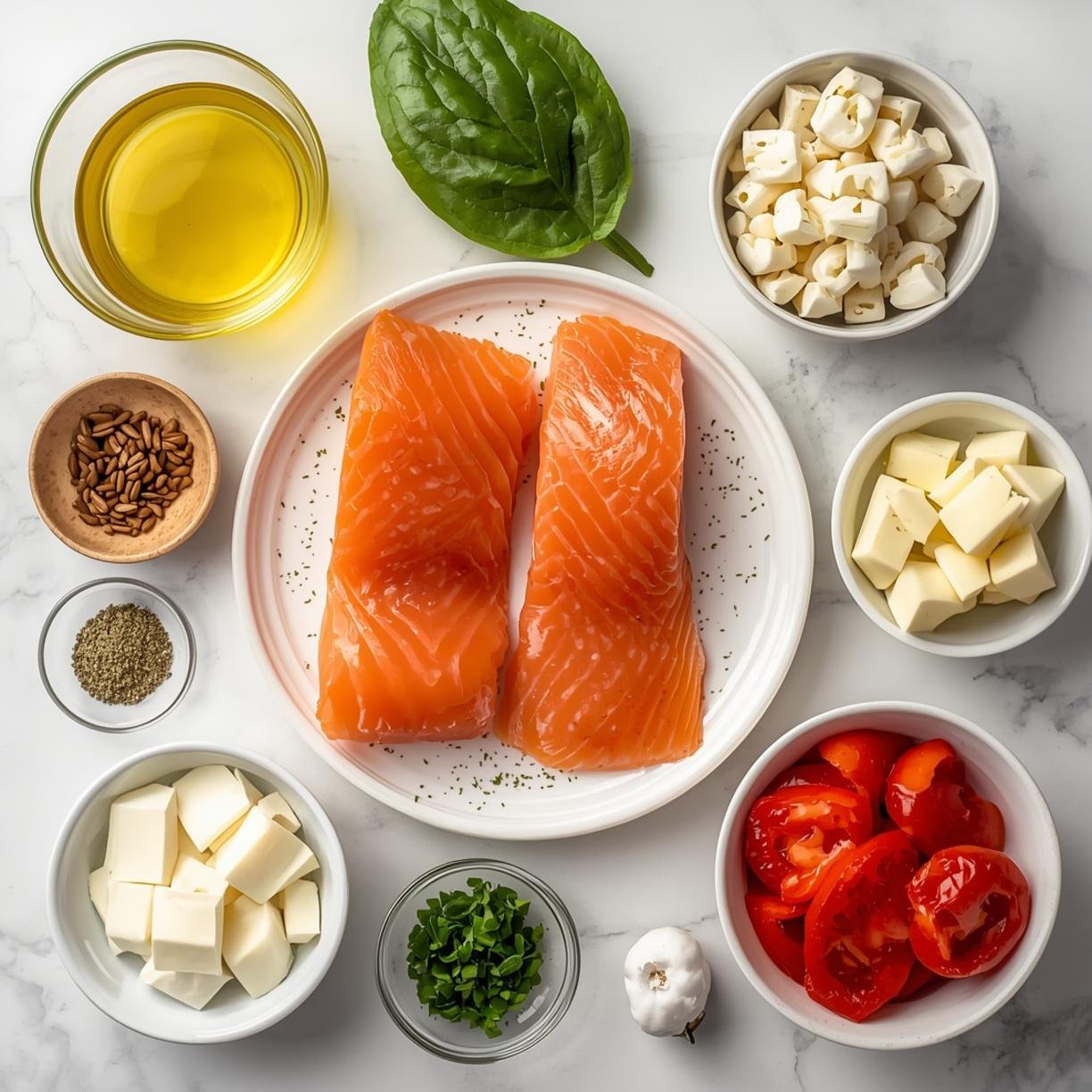
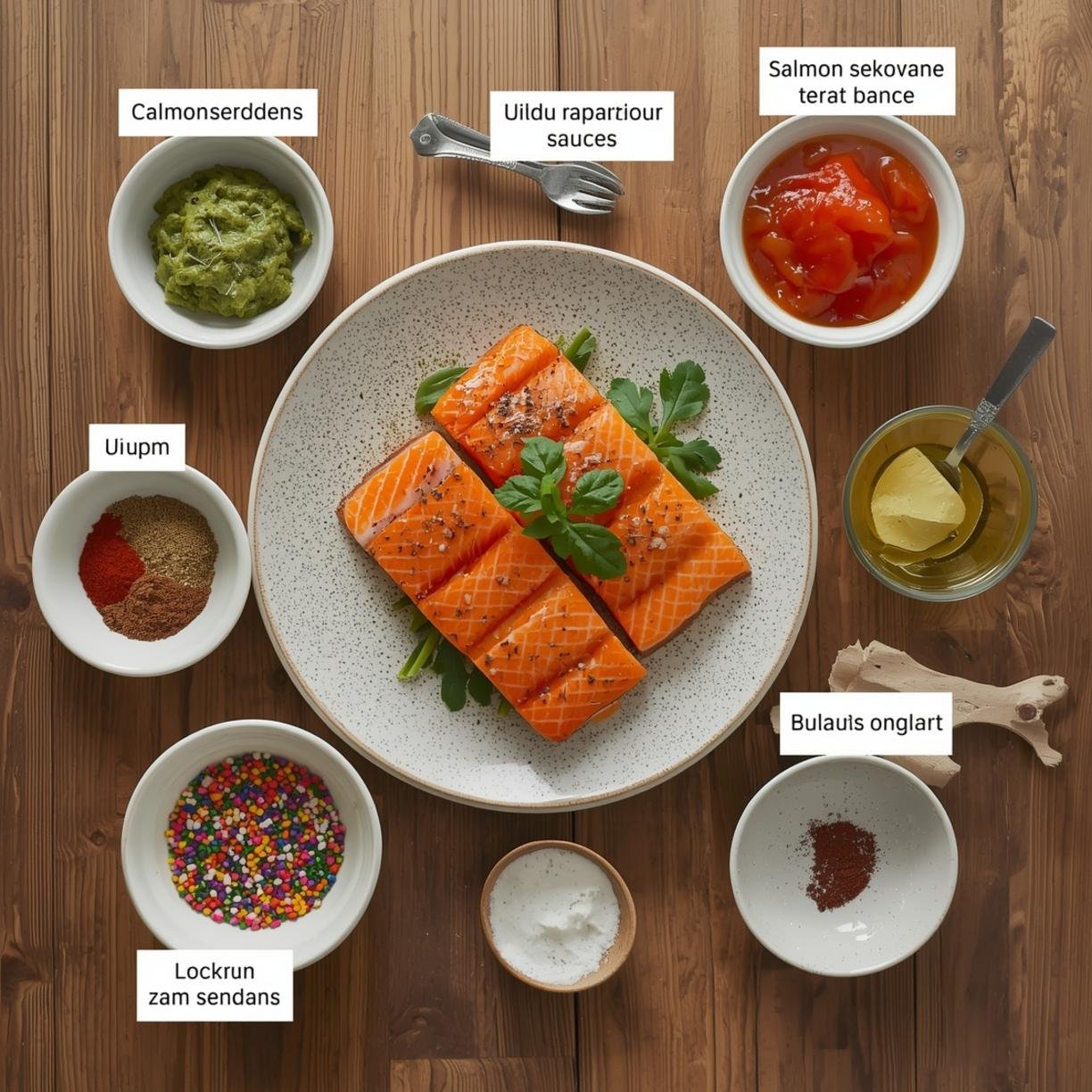
For the salmon:
– 12 oz fresh salmon fillet, skin removed
– 2 tbsp olive oil
– 1 tsp sea salt
– ½ tsp freshly ground black pepper
– 1 tsp dried dill (or 1 tbsp fresh)
– 1 lemon, zested and juiced
For the cream cheese spread:
– 8 oz cream cheese, softened
– 2 tbsp fresh chives, finely chopped
– 1 tbsp capers, drained and roughly chopped
– 1 tbsp fresh lemon juice
– Salt and pepper to taste
For assembly:
– 24 whole grain crackers or crostini
– 1 English cucumber, thinly sliced (optional)
– 2 tbsp fresh dill for garnish
– Lemon wedges for serving
Kitchen tools needed:
– Baking sheet
– Parchment paper
– Mixing bowl
– Chef’s knife
– Cutting board
– Zester or microplane
– Serving platter
Preparation & Cooking Time
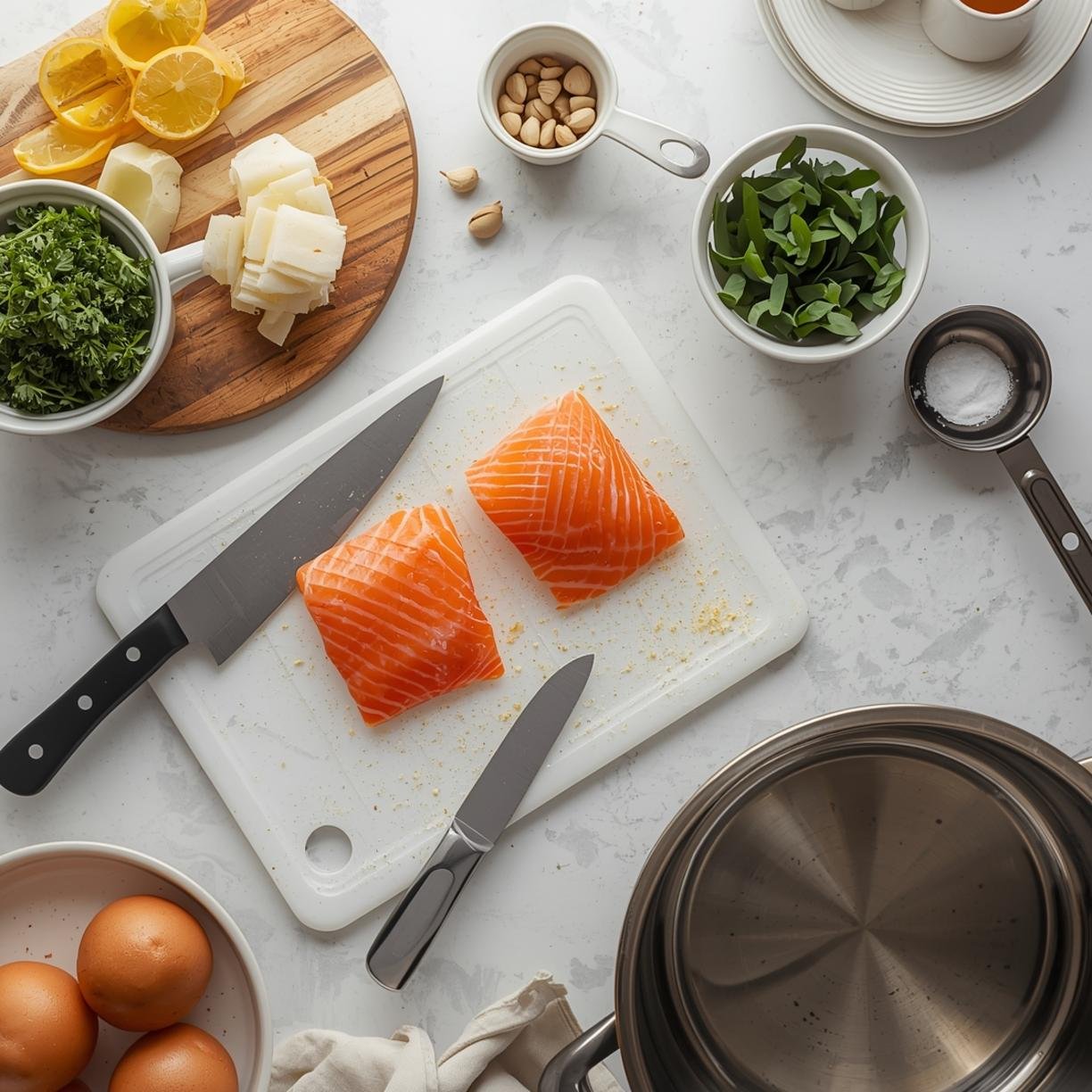
– Preparation time: 15 minutes
– Cooking time: 12-15 minutes
– Total time: 30 minutes
This is a beginner-friendly recipe that’s perfect for preparing ahead of time for parties or gatherings. You can make components in advance and assemble just before serving, making it an excellent option for hosts who want to minimize last-minute cooking.
Step-by-Step Instructions
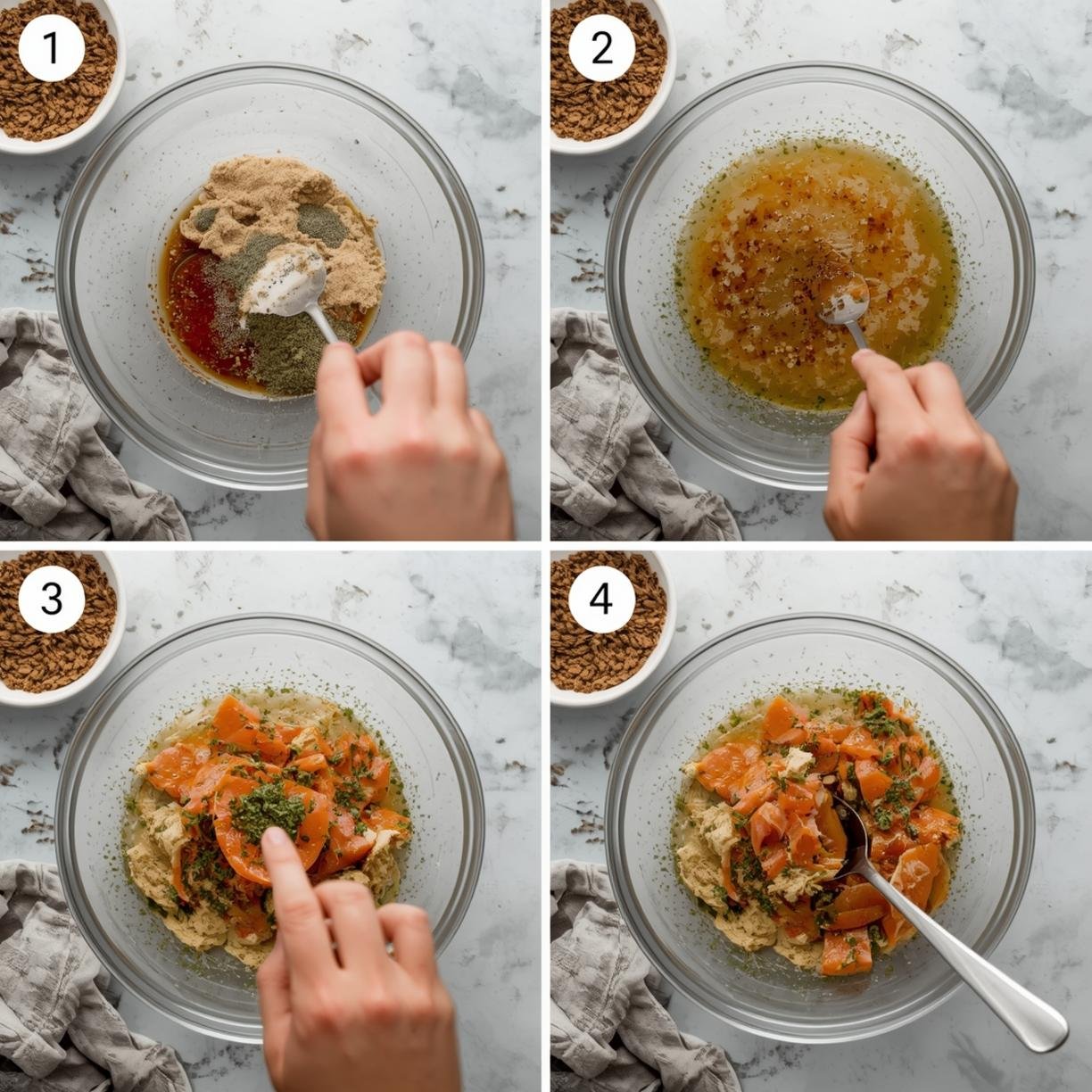
1. Prepare the salmon: Preheat your oven to 375°F (190°C). Pat the salmon dry with paper towels. Place on a parchment-lined baking sheet.
2. Season the fish: Drizzle the salmon with olive oil, then season with salt, pepper, dill, and lemon zest. Gently rub the seasonings into the fish to ensure even coverage.
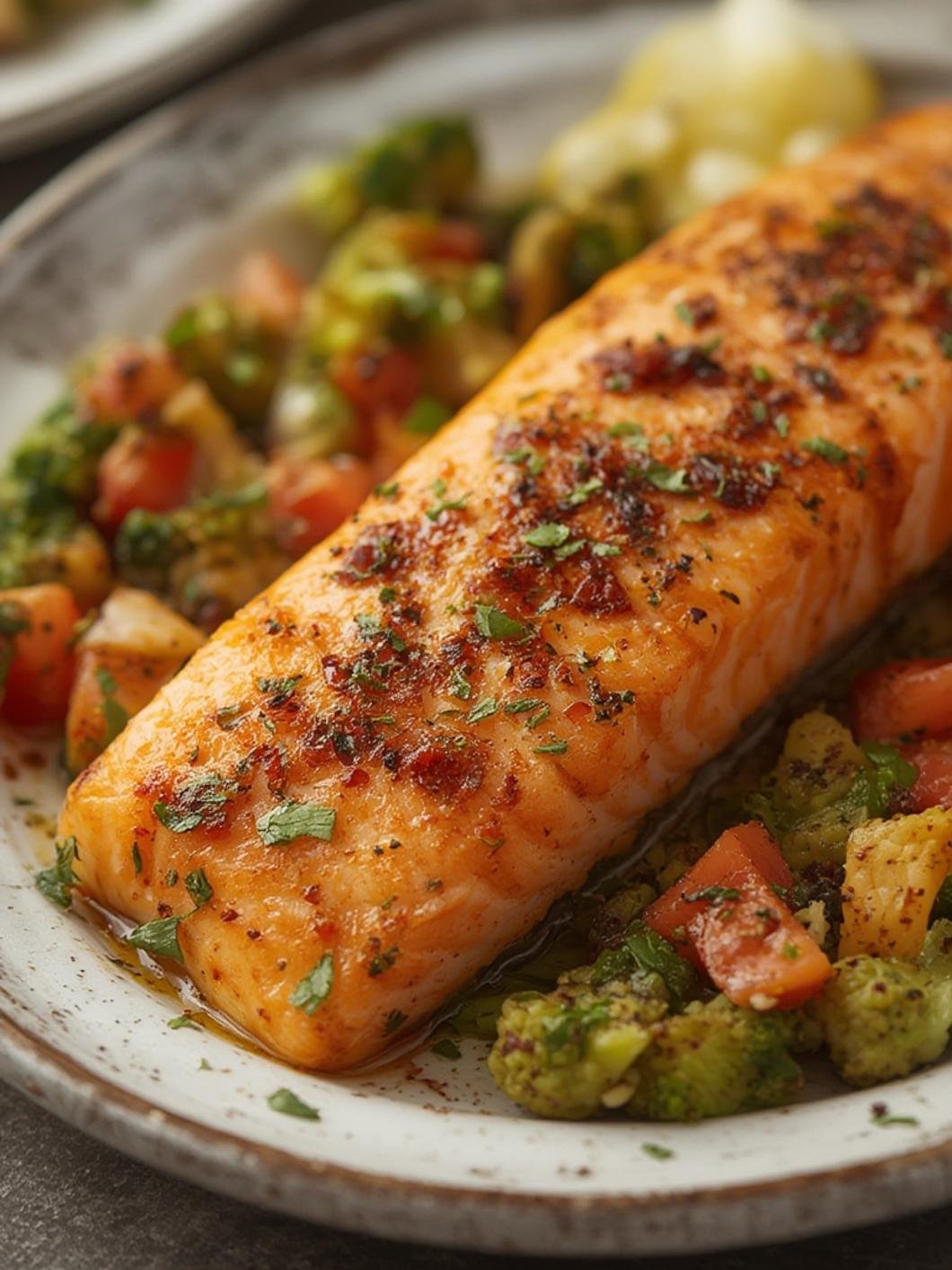
3. Bake to perfection: Cook the salmon for 12-15 minutes until it flakes easily with a fork but remains moist in the center. For the best salmon appetizer recipe results, avoid overcooking, which can dry out the delicate fish.
4. Prepare the spread: While the salmon bakes, mix the softened cream cheese, chives, capers, lemon juice, salt, and pepper in a bowl until well combined. The tanginess of this spread perfectly complements the rich salmon.
5. Cool and flake: Allow the salmon to cool for 5-10 minutes, then gently flake it into bite-sized pieces with a fork.
6. Assemble your appetizers: Spread a layer of the cream cheese mixture onto each cracker. Top with a cucumber slice if using, then add a portion of flaked salmon. These quick bite appetizers come together in moments but taste like they took hours.
7. Garnish and serve: Top each piece with fresh dill and serve with lemon wedges for an extra burst of citrus flavor.
Nutritional Benefits / Advantages
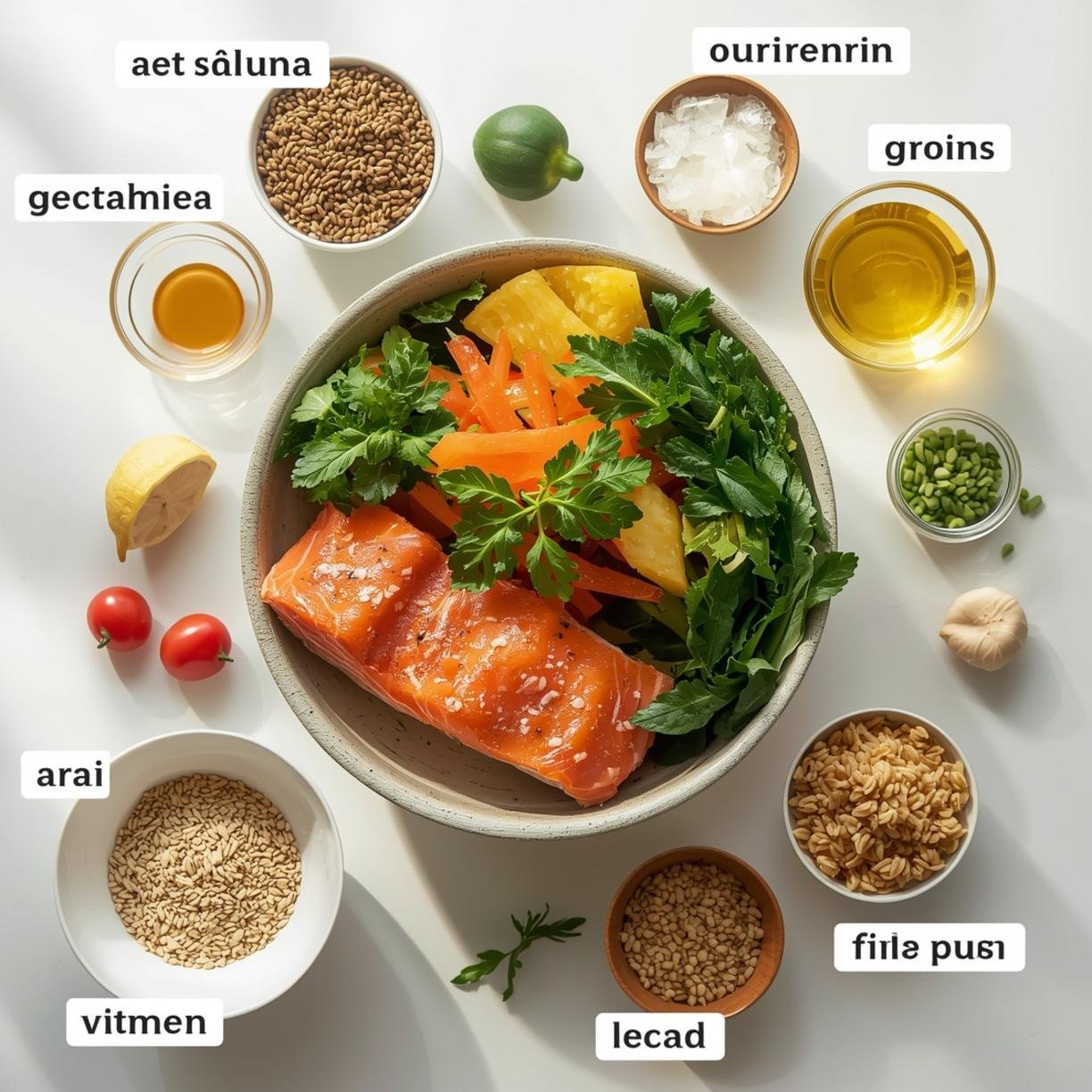
This appetizer isn’t just delicious—it’s nutritionally powerful. Salmon provides high-quality protein and is rich in omega-3 fatty acids, which support heart and brain health. The cream cheese delivers calcium, while the herbs and lemon add vitamins and antioxidants. Using whole grain crackers adds fiber, making this a well-rounded appetizer that satisfies hunger while providing beneficial nutrients.
Tips, Variations, or Cooking Advice
– Smoked option: Substitute hot-smoked salmon to skip the cooking step entirely.
– Dairy-free version: Replace cream cheese with avocado mash mixed with lemon and herbs.
– Spicy twist: Add a pinch of cayenne or a dash of hot sauce to the cream cheese mixture.
– Presentation upgrade: Pipe the cream cheese mixture using a star tip for an elegant look.
– Make-ahead strategy: Prepare components separately up to 24 hours ahead and assemble just before serving.
Common Mistakes to Avoid
1. Overcooking the salmon: Cook just until it flakes easily but still looks moist in the center.
2. Not patting salmon dry: This step ensures better browning and prevents steaming.
3. Using cold cream cheese: Always soften it first for smoother spreading.
4. Assembling too far in advance: Crackers can get soggy; assemble no more than 30 minutes before serving.
5. Under-seasoning: Don’t be shy with herbs and lemon, as they bring the dish to life.
Storage & Reheating Tips
The components can be stored separately in airtight containers for up to 2 days. Store cooked salmon in the refrigerator and consume within 2 days. The cream cheese mixture will keep for up to 5 days refrigerated. This appetizer is best served cold or at room temperature, so no reheating is necessary. If you must warm the salmon, do so gently in a 275°F oven just until warmed through.
Conclusion
With this elegant salmon appetizer recipe, you now have the perfect starter to impress guests or enjoy as a sophisticated snack. The blend of creamy, tangy spread with rich, flaky salmon creates a memorable taste experience that’s surprisingly simple to prepare. The beauty of this quick bite is that it feels luxurious despite requiring minimal effort. Why not try making these delightful salmon appetizers this weekend? Your taste buds—and guests—will thank you!
FAQs
Can I use frozen salmon for this recipe?
Yes, just ensure it’s completely thawed and patted dry before cooking. Fresh salmon will provide the best flavor, but high-quality frozen salmon works well too.
How far in advance can I prepare these appetizers?
You can cook the salmon and prepare the cream cheese mixture up to 24 hours ahead, but assemble the appetizers no more than 30 minutes before serving to prevent soggy crackers.
Can I make this recipe gluten-free?
Absolutely! Simply substitute gluten-free crackers or cucumber rounds as the base instead of traditional crackers.
What’s the best salmon variety to use for appetizers?
Atlantic or Sockeye salmon work beautifully for this recipe. Choose wild-caught when possible for the best flavor and nutritional profile.
Can I grill the salmon instead of baking it?
Yes! Grilling adds a wonderful smoky flavor. Cook over medium heat for about 4-5 minutes per side until it reaches an internal temperature of 145°F.