
Have you ever wondered how to create a restaurant-quality antipasto platter that will wow your guests at your next gathering? Creating a delicious antipasto recipe at home is not only cost-effective but allows you to customize flavors to your exact preferences. This traditional Italian starter showcases a beautiful array of cured meats, cheeses, vegetables, and olives, making it the perfect appetizer for any occasion. With just a few quality ingredients and some simple preparation, you can assemble an impressive platter that rivals any gourmet offering.
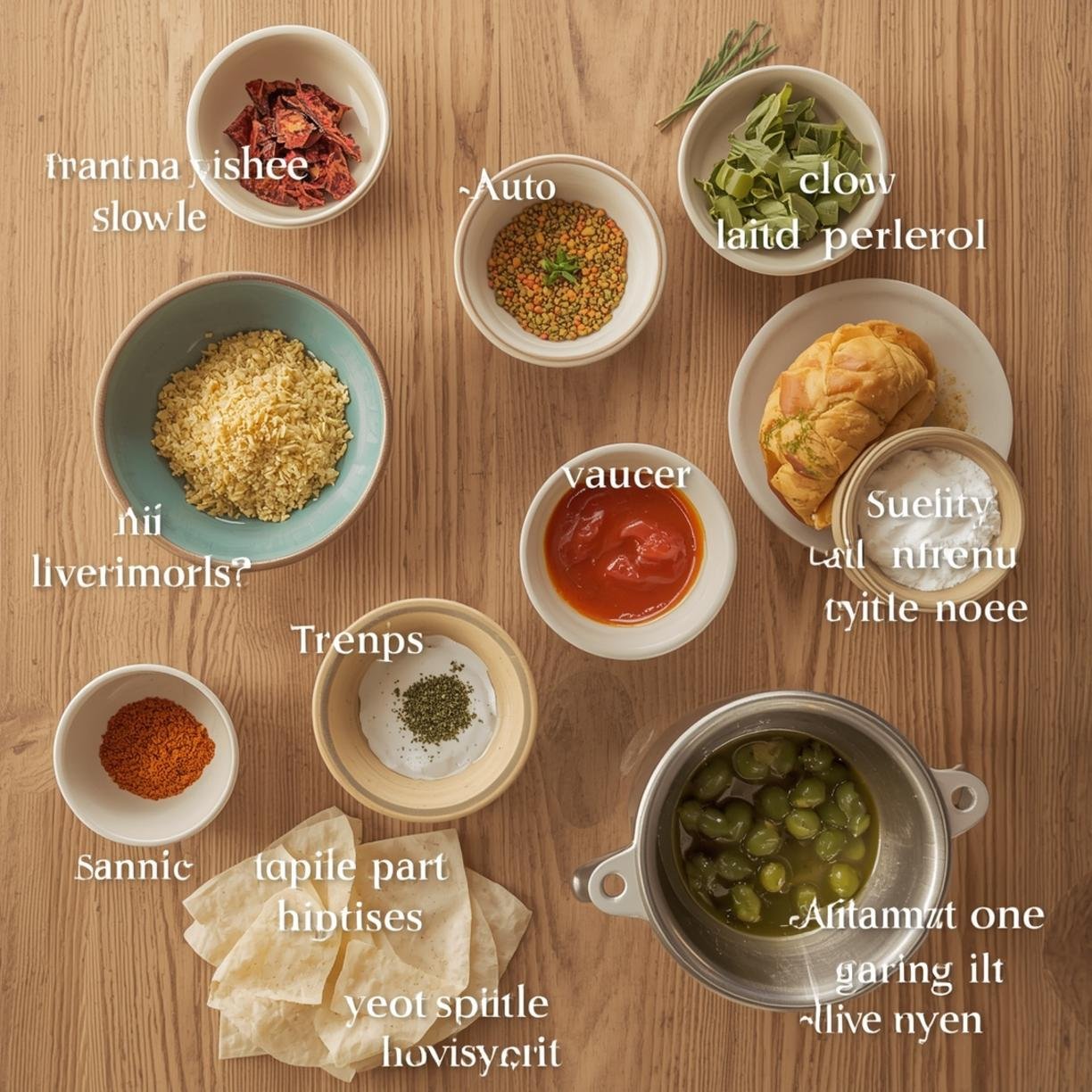
Ingredients & Kitchen Tools
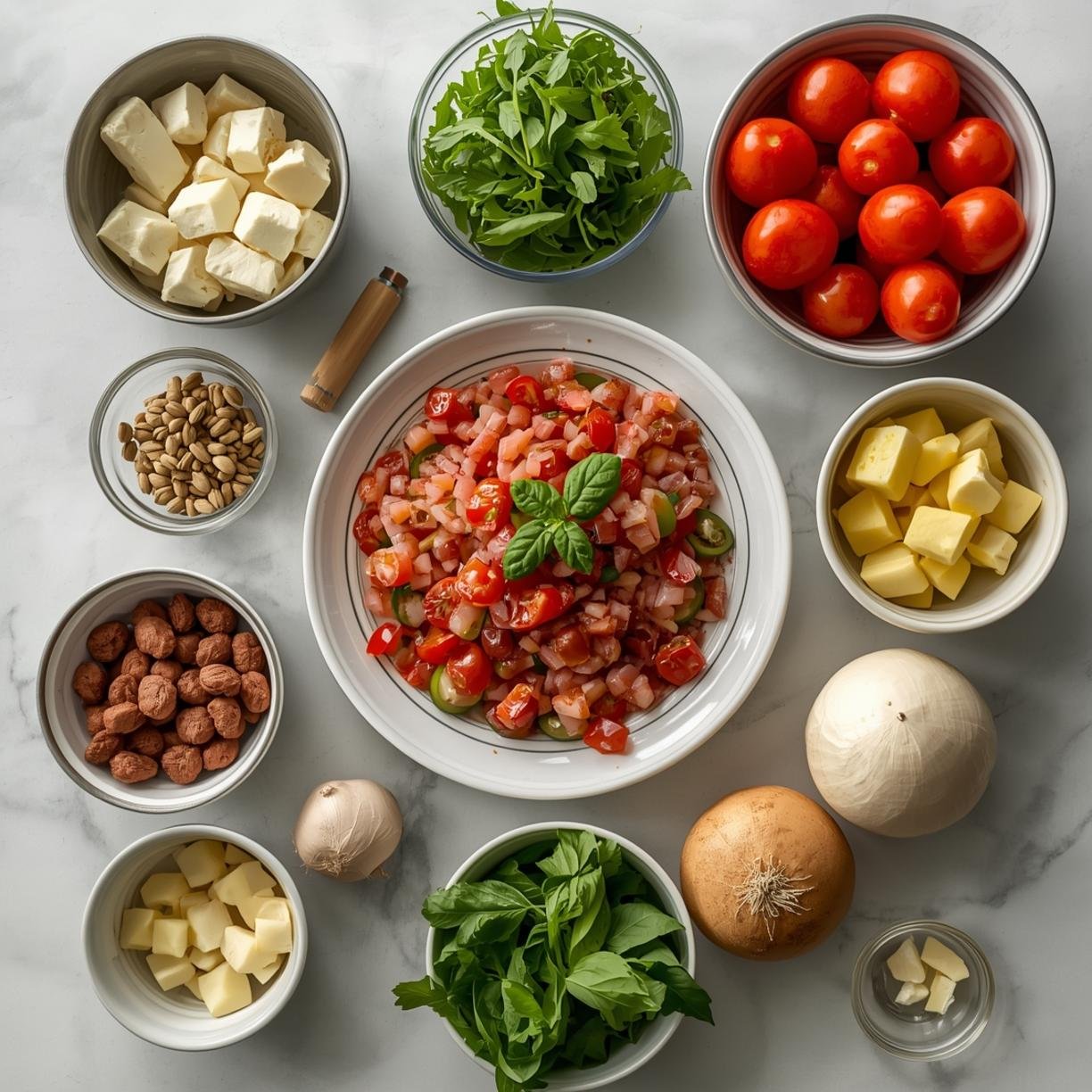
For the Antipasto Platter:
– 4 oz prosciutto, thinly sliced
– 4 oz salami or soppressata, sliced
– 4 oz capicola ham, sliced
– 8 oz fresh mozzarella, sliced or in small balls
– 4 oz provolone cheese, cubed
– 4 oz parmesan cheese, broken into chunks
– 1 jar (8 oz) marinated artichoke hearts, drained
– 1 jar (8 oz) roasted red peppers, drained and sliced
– 1 cup mixed olives (Kalamata, green, Castelvetrano)
– 1/2 cup pepperoncini peppers
– 1 cup cherry tomatoes, halved
– 1/4 cup fresh basil leaves
– 2 tablespoons extra virgin olive oil
– 1 tablespoon balsamic glaze
– 1 loaf Italian bread or breadsticks, for serving
Kitchen Tools:
– Large serving platter or wooden board
– Small bowls for olives and wet ingredients
– Cheese knife
– Serving tongs
– Small serving forks or toothpicks
Preparation & Cooking Time
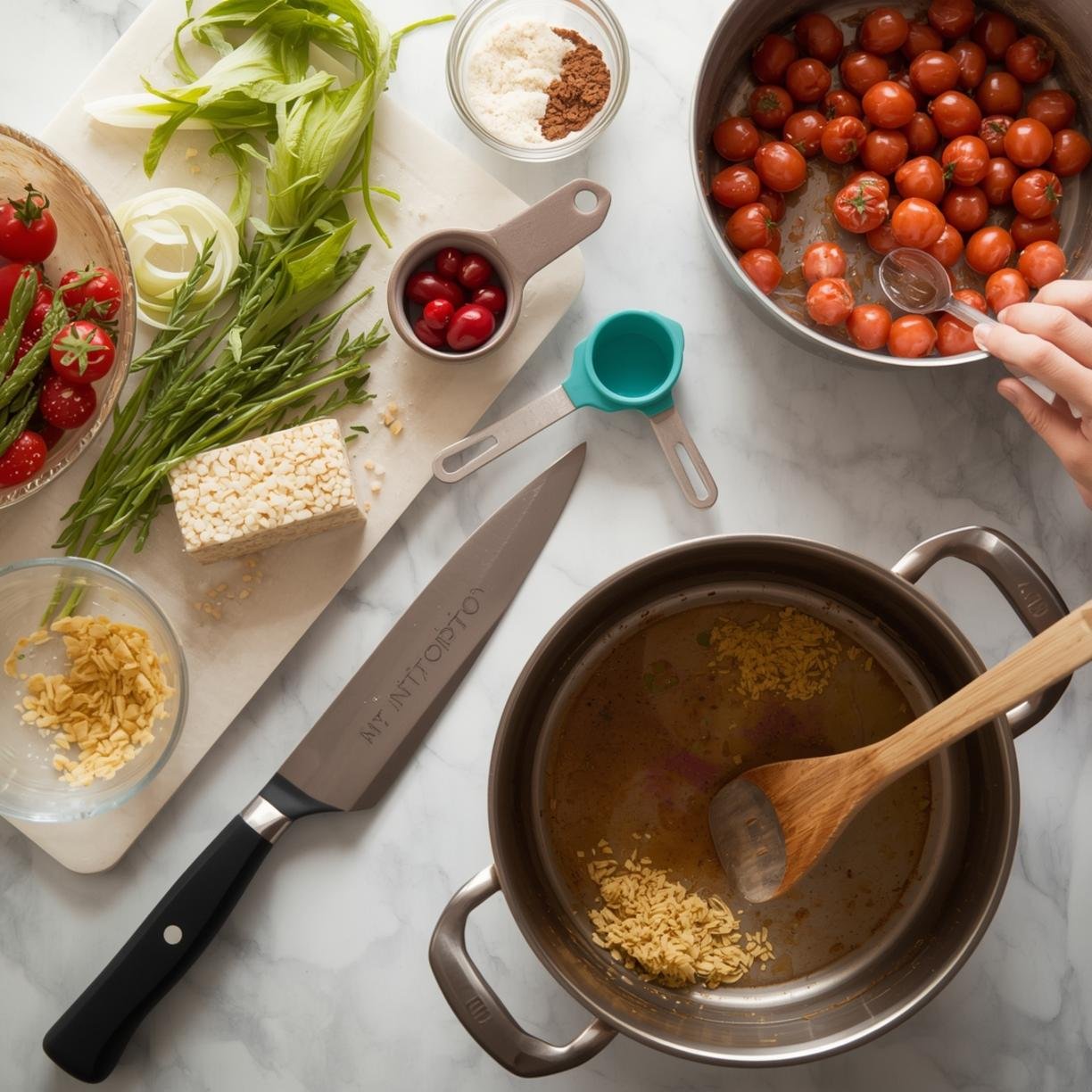
– Preparation Time: 20 minutes
– Cooking Time: 0 minutes (no cooking required!)
– Total Time: 20 minutes
This antipasto platter is perfect for entertaining as it can be prepared in advance, requires no actual cooking, and serves as both a beautiful centerpiece and delicious appetizer. It’s ideal for dinner parties, holiday gatherings, or even as a light summer meal when it’s too hot to cook.
Step-by-Step Instructions
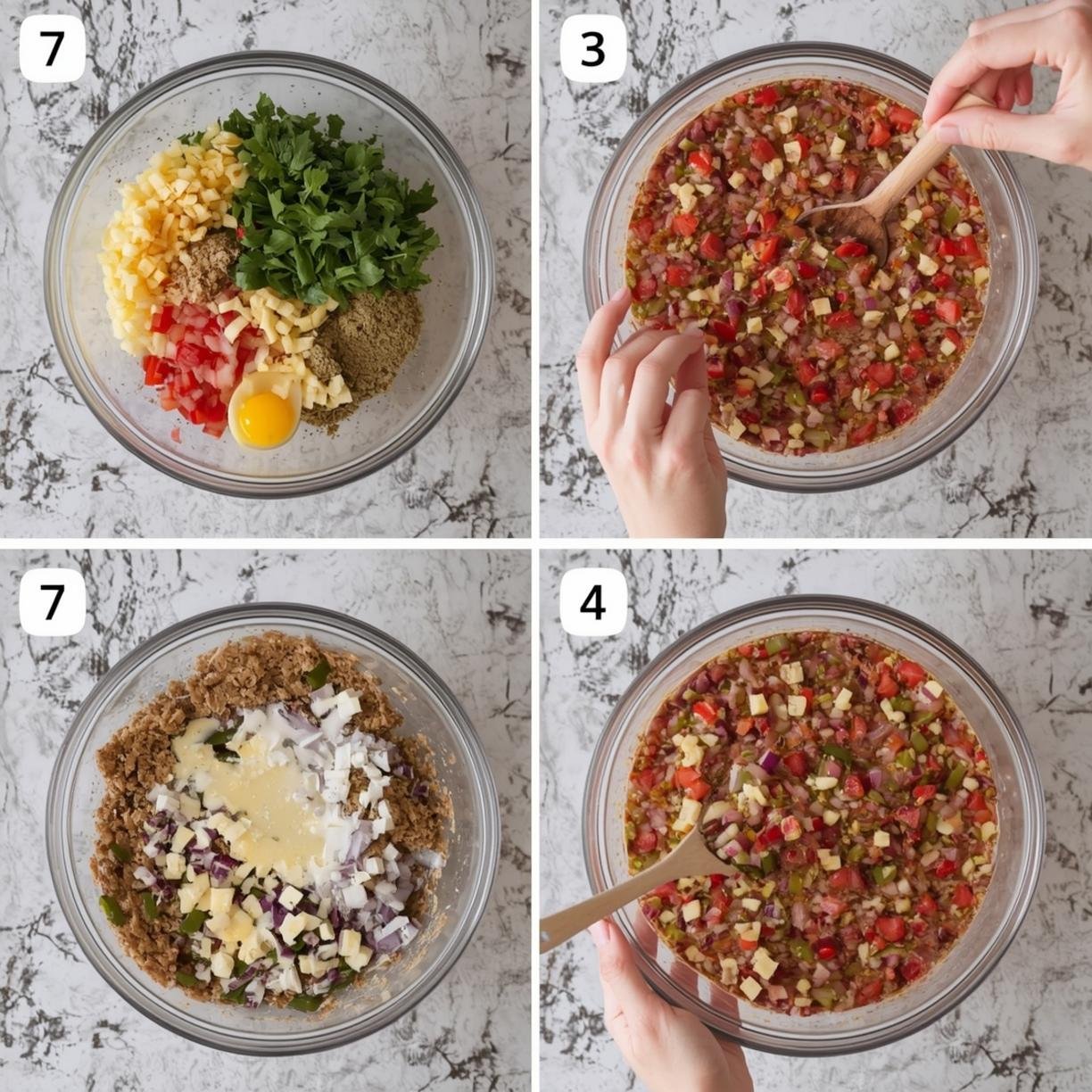
1. Prepare your board: Select a large wooden cutting board, serving platter, or slate board as your base. If using a wooden board, consider lining areas that will hold moist ingredients with parchment paper.
2. Arrange the meats: Begin by folding or rolling the prosciutto, salami, and capicola into decorative shapes. Arrange them in different areas of the board, creating height and texture. Pro tip: For an elevated antipasto recipe, try folding salami in quarters and prosciutto in gentle waves for visual appeal.
3. Add the cheeses: Place chunks of provolone, parmesan, and slices of mozzarella in between the meat arrangements. Keep softer cheeses intact until serving time.
4. Incorporate vegetables: Arrange artichoke hearts, roasted red peppers, and cherry tomatoes in small clusters around the board.
5. Add olives and peppers: Place olives and pepperoncini in small bowls on the board to contain any brine or oil.
6. Fill in gaps: Use fresh basil leaves to fill any empty spaces and add color contrast.
7. Finish with drizzles and bread: Just before serving, drizzle the platter lightly with olive oil and balsamic glaze. Arrange bread or breadsticks around the edges or in a separate basket.
Nutritional Benefits / Advantages
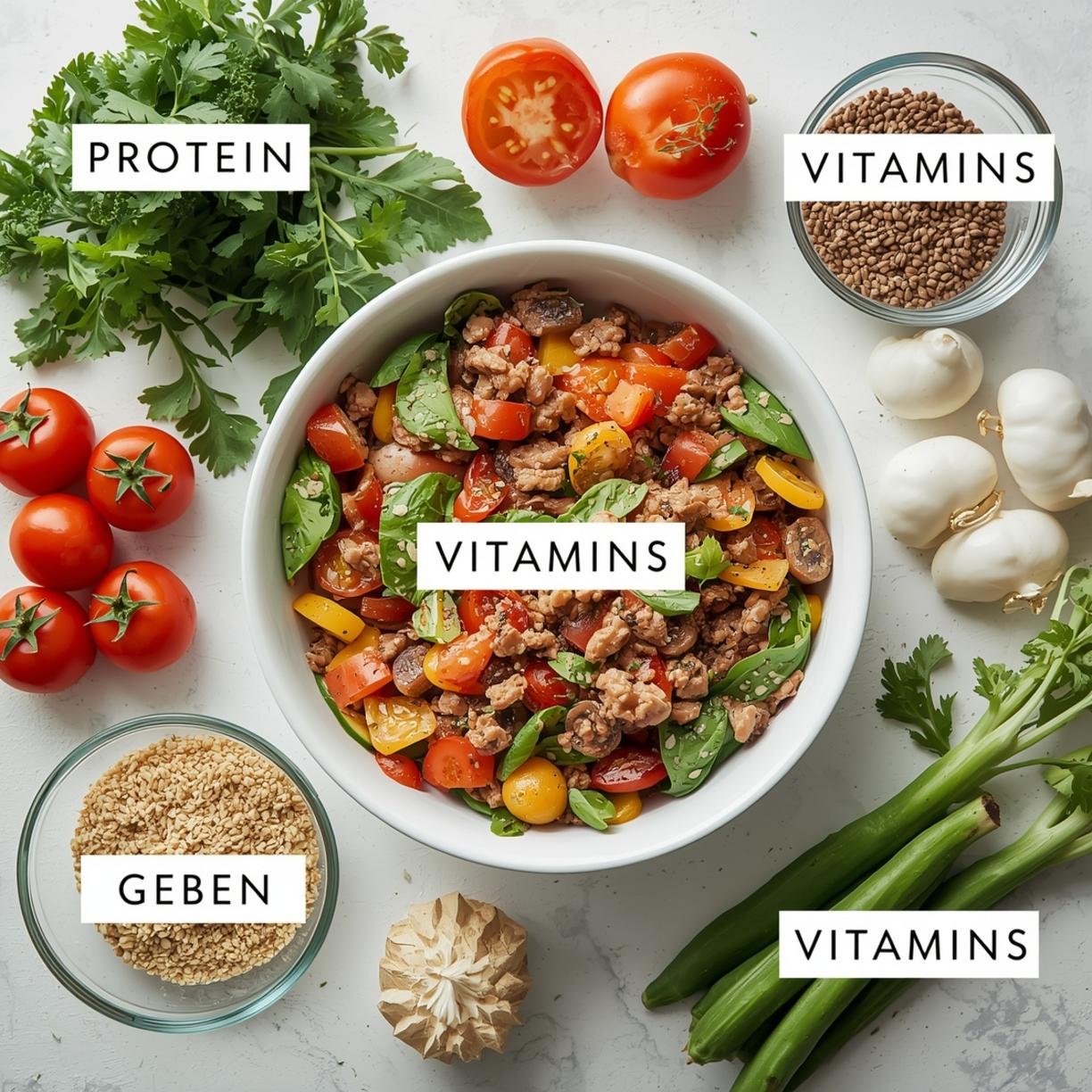
This antipasto platter offers a variety of nutritional benefits:
– Protein-rich cured meats provide essential amino acids
– Cheeses deliver calcium and protein
– Vegetables add vitamins, minerals, and fiber
– Olives and olive oil contain heart-healthy monounsaturated fats
– The Mediterranean-style ingredients contribute to a balanced approach to eating
– Can be adapted to accommodate various dietary preferences
Tips, Variations, or Cooking Advice
– Dietary Adaptations: Create a vegetarian version by replacing meats with extra cheese varieties, marinated mushrooms, and white bean dip.
– Seasonal Updates: Incorporate seasonal produce like fresh figs in summer or roasted butternut squash in fall.
– Budget-Friendly Option: Focus on fewer, high-quality ingredients rather than a large variety of lower-quality items.
– Time-Saving Tip: Many grocery stores offer pre-sliced meats and cheeses at the deli counter.
– Presentation Enhancement: Add small sprigs of fresh rosemary or thyme for aromatic garnish.
Common Mistakes to Avoid
1. Removing meats from refrigeration too early: Take cured meats out just 15-20 minutes before serving to prevent them from becoming slimy.
2. Overcrowding the board: Leave some negative space for visual appeal and easier access.
3. Forgetting texture variety: Ensure you have a mix of soft, hard, chewy, and crunchy elements.
4. Neglecting temperature: Allow cheeses to come to room temperature for about 30 minutes before serving for best flavor.
5. Using low-quality ingredients: Since there’s no cooking involved, quality ingredients make all the difference.
Storage & Reheating Tips
The beauty of an antipasto platter is enjoying it fresh, but leftovers can be stored separately in airtight containers for 2-3 days in the refrigerator. Bread should be stored separately at room temperature. This platter doesn’t require reheating, but you can bring refrigerated components back to room temperature before enjoying again.
Conclusion
Creating a stunning antipasto recipe at home allows you to showcase quality ingredients while providing a flexible, crowd-pleasing appetizer for any gathering. The combination of savory meats, creamy cheeses, and briny olives creates a perfect balance of flavors that will have your guests reaching for more. Whether you’re hosting a casual get-together or a special celebration, this antipasto platter is sure to impress and can be tailored to suit your taste preferences and dietary needs. Give this recipe a try for your next gathering and watch as it becomes your go-to entertaining solution!
FAQs
How far in advance can I prepare an antipasto platter?
You can assemble most components up to 24 hours ahead, but wait to add fresh herbs, drizzle olive oil, and add bread until just before serving.
Can I make a dairy-free antipasto platter?
Absolutely! Substitute cheeses with dairy-free alternatives or focus on meats, vegetables, olives, nuts, and dips like hummus or baba ganoush.
What wine pairs best with an antipasto platter?
Light to medium-bodied Italian wines work wonderfully—try Pinot Grigio, Prosecco, or Chianti depending on which ingredients dominate your platter.
How much antipasto should I prepare per person?
Plan for about 2-3 ounces of meat and 2 ounces of cheese per person as an appetizer. Increase quantities if serving as a main course.
Can I use an antipasto platter for meal prep?
Components can be used for quick lunches throughout the week—try antipasto salads, sandwiches, or pasta dishes with leftover ingredients.